Design Styles
Biophilic
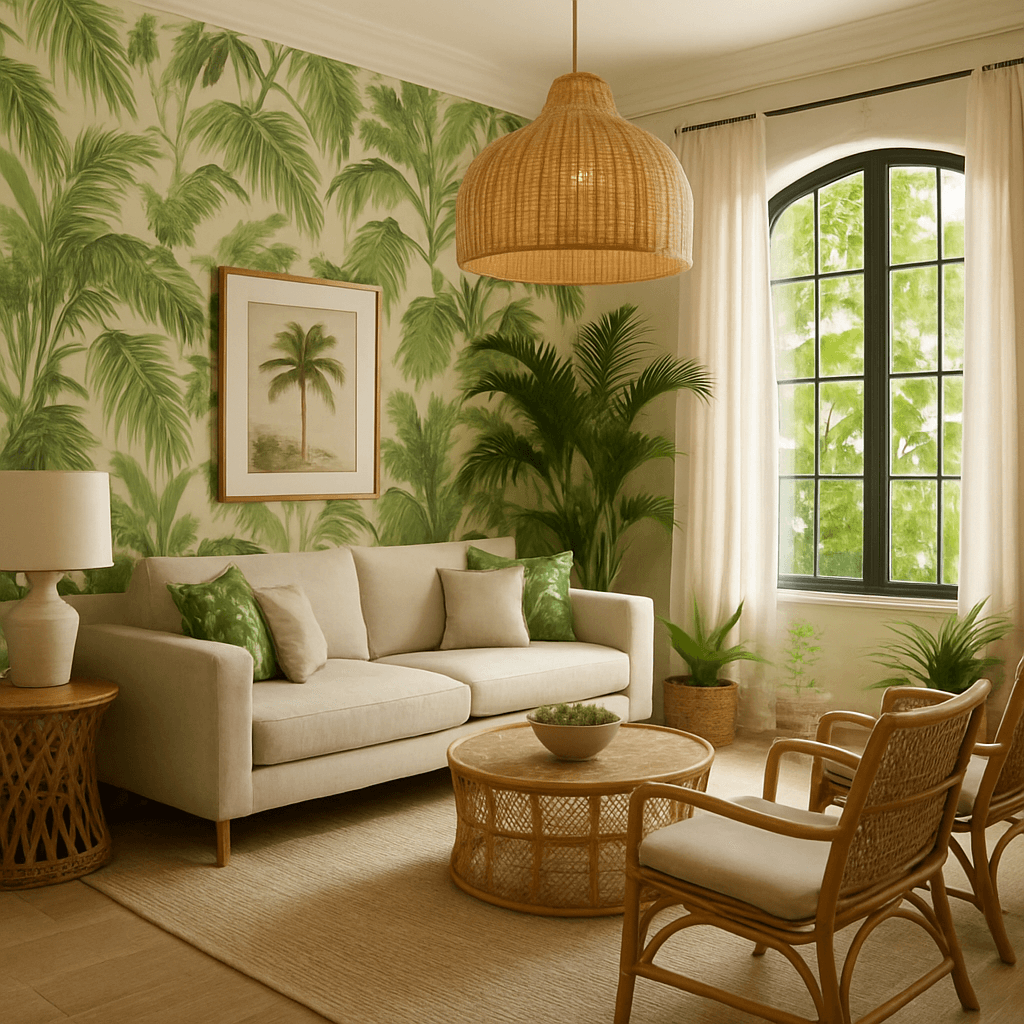
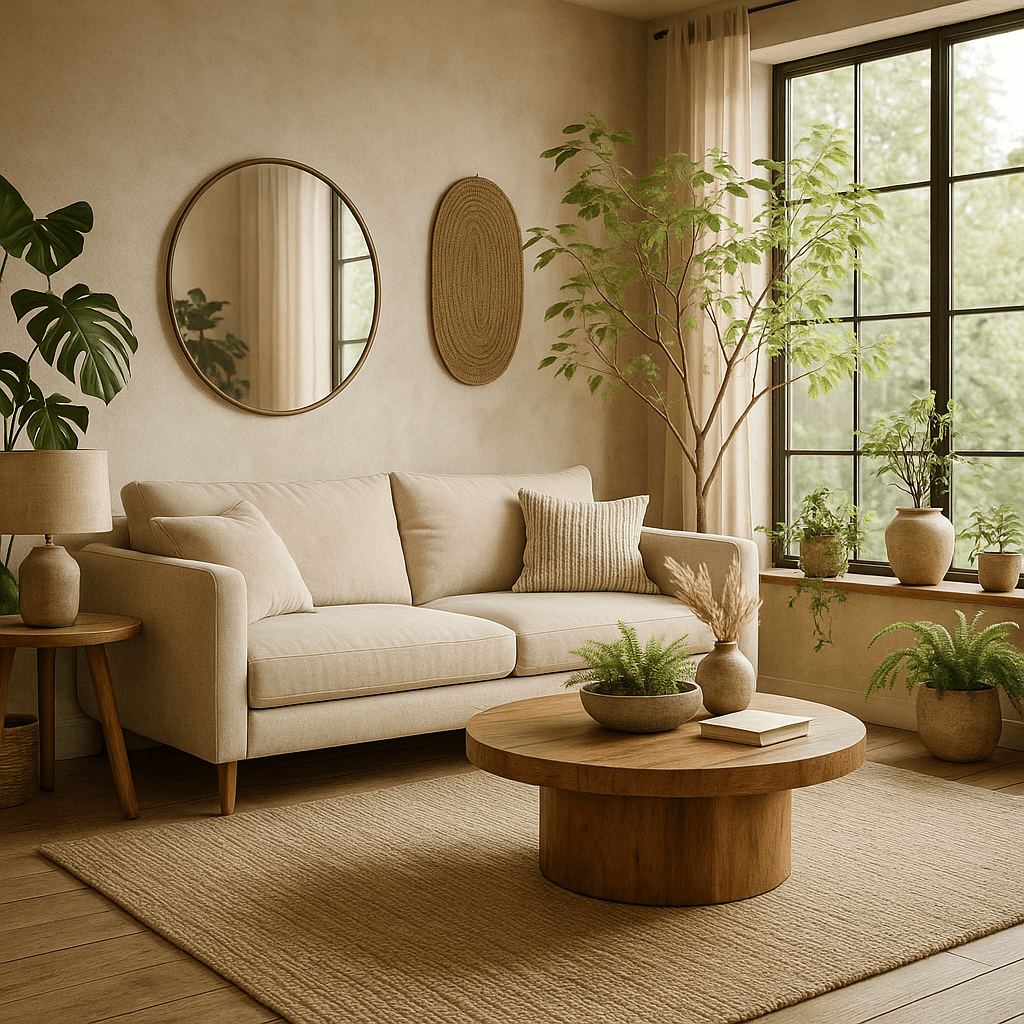
Biophilic design recognizes humans' innate need to connect with nature and brings natural elements into the built environment. This approach goes beyond simply adding plants—it incorporates natural light, organic materials, water features, and nature-inspired patterns to create spaces that support human wellbeing.
Research shows biophilic design reduces stress, improves cognitive function, and enhances mood. As we spend more time indoors, designing spaces that maintain our connection to the natural world has never been more important.
Key Characteristics of Biophilic Design
- ✓Abundant plant life
- ✓Natural light and views
- ✓Organic shapes and patterns
- ✓Natural materials throughout
- ✓Water features
- ✓Nature-inspired color palette
Biophilic Color Palette
Primary Colors
GreenEarth BrownSky BlueSand
Accent Colors
TerracottaMossNatural WoodStone Gray
Essential Elements for Biophilic Interiors
Living walls and indoor gardens
Large windows and skylights
Natural wood and stone
Indoor water features
Nature photography and art
Organic, curved furniture
Furniture Selection Tips
Choose furniture made from natural materials like solid wood, rattan, and natural fibers. Avoid synthetic materials when possible. Organic, curved forms are preferable to harsh geometric shapes.
Best Rooms for Biophilic Style
The biophilic aesthetic works particularly well in these spaces:
💡 Pro Tip
Start with the basics—maximize natural light and add plants you can actually care for. Then layer in natural materials and textures. Biophilic design is about genuine connection to nature, not botanical-themed decor.
Try Biophilic Style with AI
Transform any room into biophilic style in seconds with our AI interior design tool.
Try It Free