Design Styles
Transitional
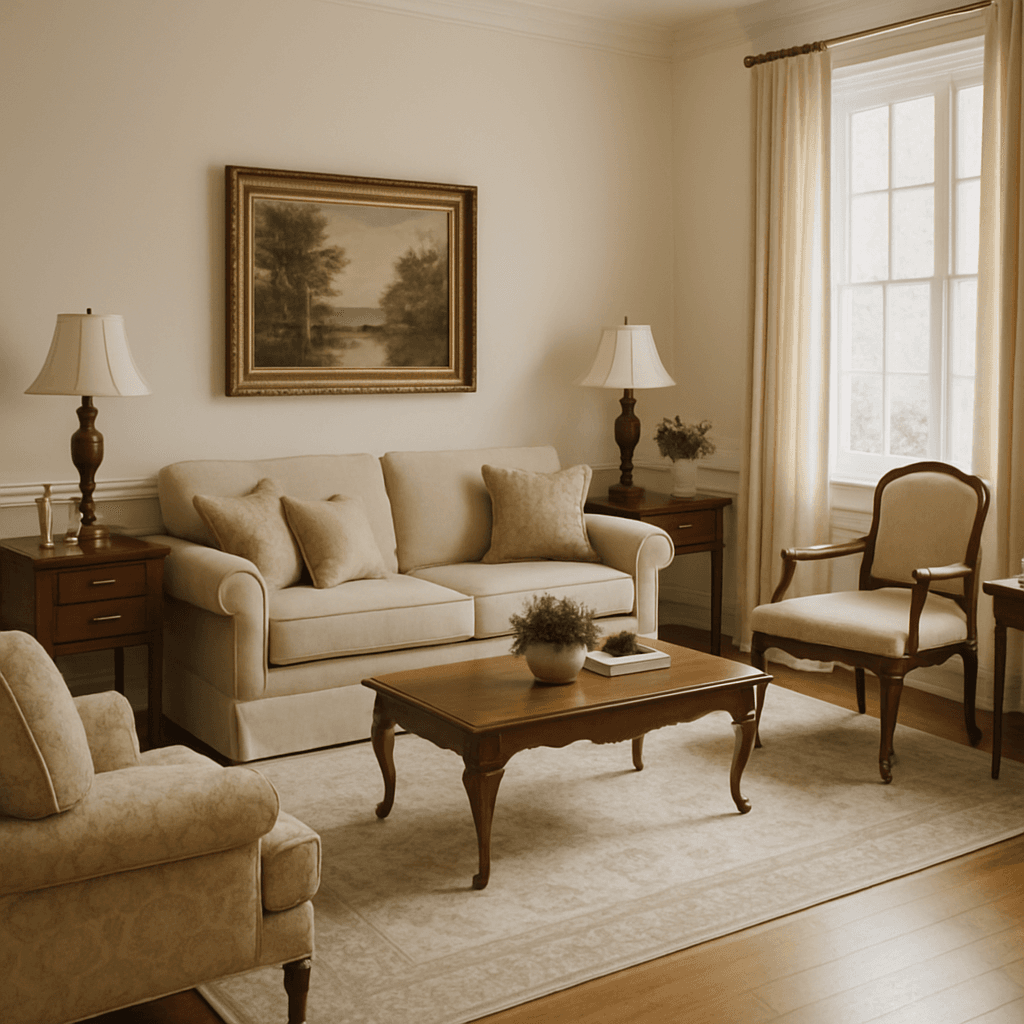
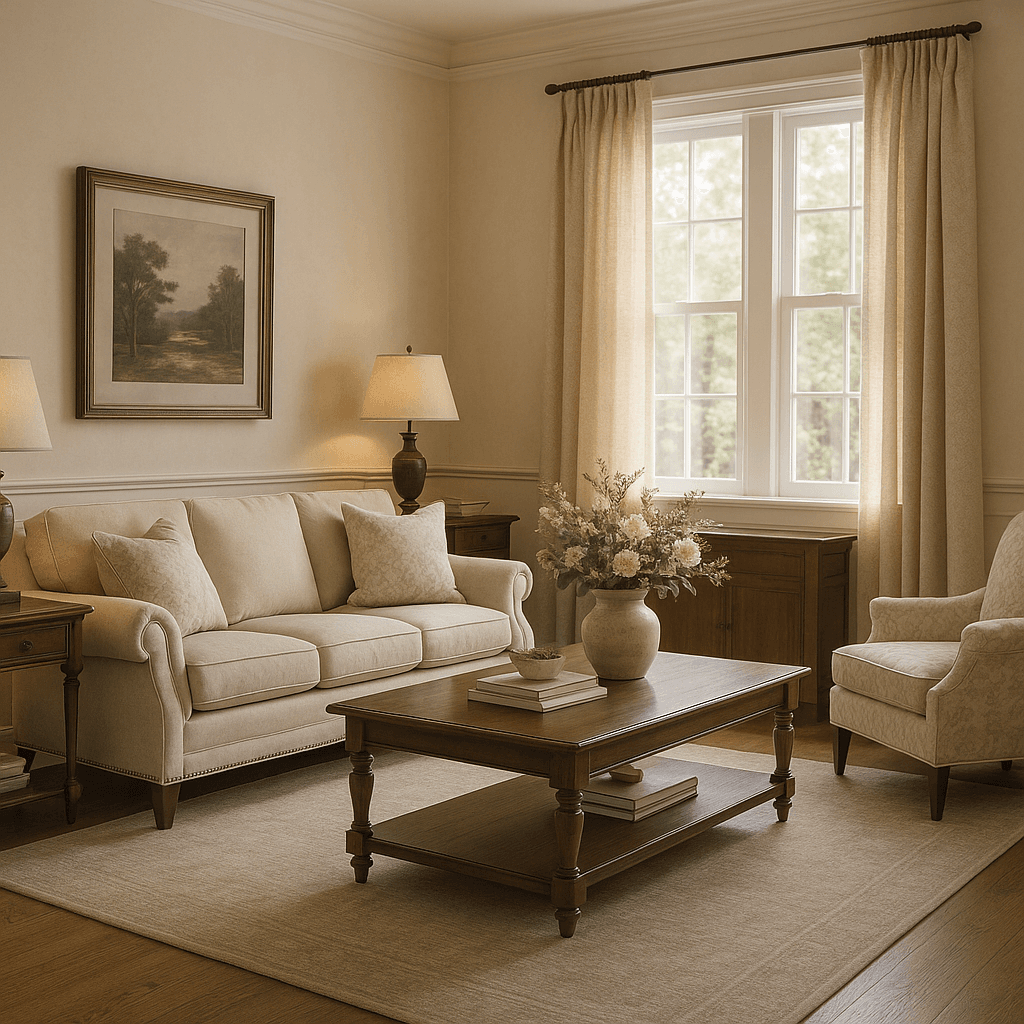
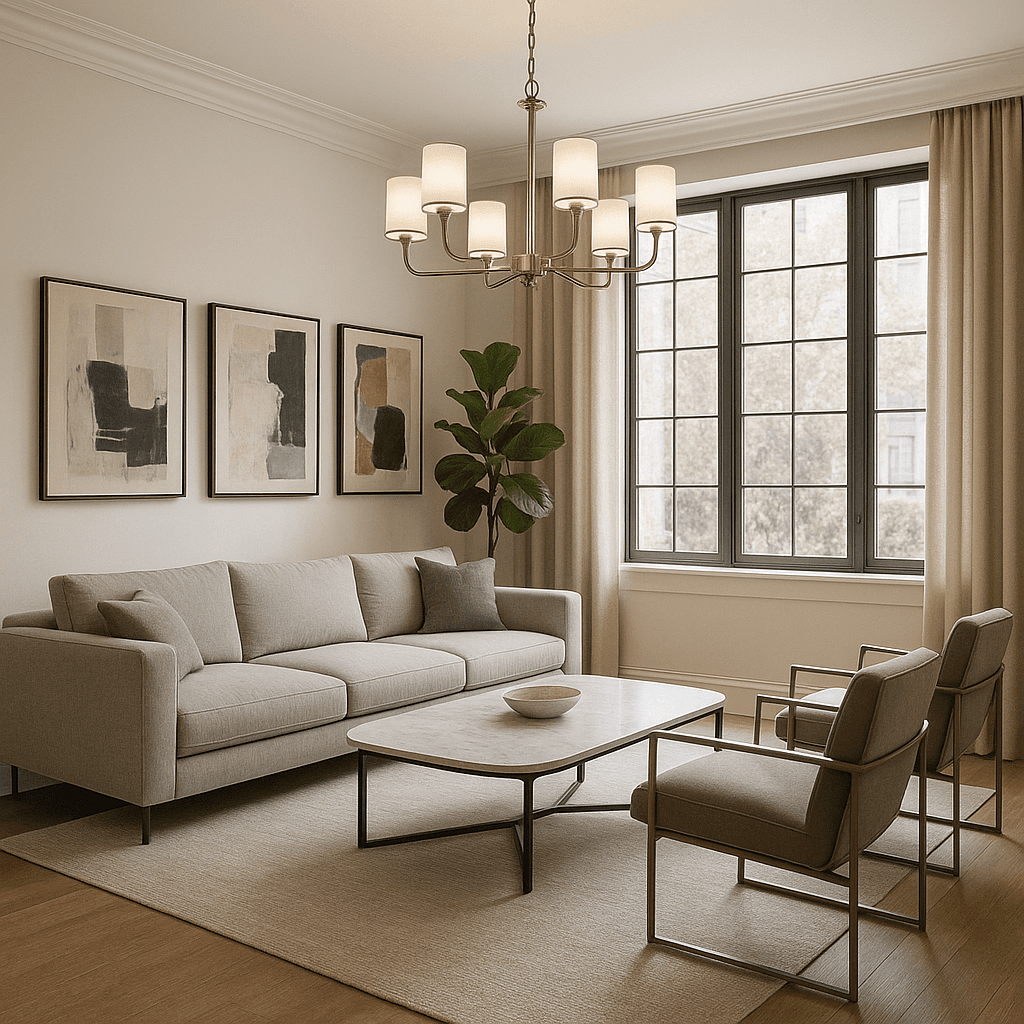
Transitional design bridges the gap between traditional and contemporary styles, taking the best of both worlds. This versatile approach combines the warmth and elegance of traditional design with the clean lines and understated palette of contemporary style, creating spaces that feel both timeless and current.
Transitional interiors appeal to those who find traditional design too ornate and contemporary design too cold. It's a balanced, sophisticated approach that ages gracefully and adapts easily to changing tastes.
Key Characteristics of Transitional Design
- ✓Blend of traditional and contemporary
- ✓Neutral, sophisticated palette
- ✓Clean lines with subtle curves
- ✓Rich textures without busy patterns
- ✓Balance of ornate and simple
- ✓Quality materials throughout
Transitional Color Palette
Primary Colors
CreamTaupeGraySoft White
Accent Colors
NavySageWarm Wood TonesCharcoal
Essential Elements for Transitional Interiors
Tufted furniture with clean frames
Simple window treatments
Minimal accessories, high quality
Layered neutral textiles
Contemporary art in traditional frames
Mixed metal finishes
Furniture Selection Tips
Look for pieces that blend traditional comfort with contemporary simplicity—think a classic sofa silhouette with updated legs, or a wingback chair in a modern fabric.
Best Rooms for Transitional Style
The transitional aesthetic works particularly well in these spaces:
💡 Pro Tip
The secret to transitional style is editing. Choose a few meaningful traditional pieces and balance them with contemporary elements. Less is more, but what remains should be high quality.
Try Transitional Style with AI
Transform any room into transitional style in seconds with our AI interior design tool.
Try It Free