Design Styles
Industrial
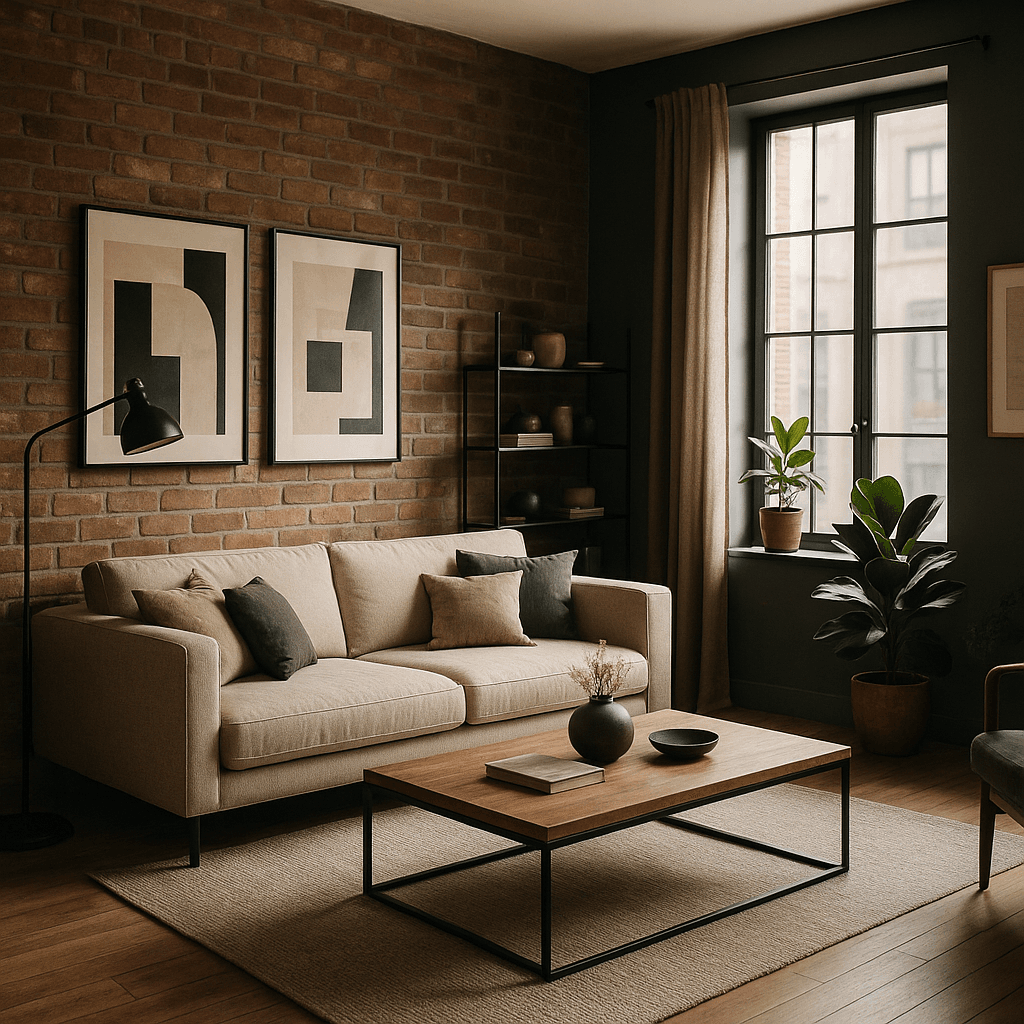
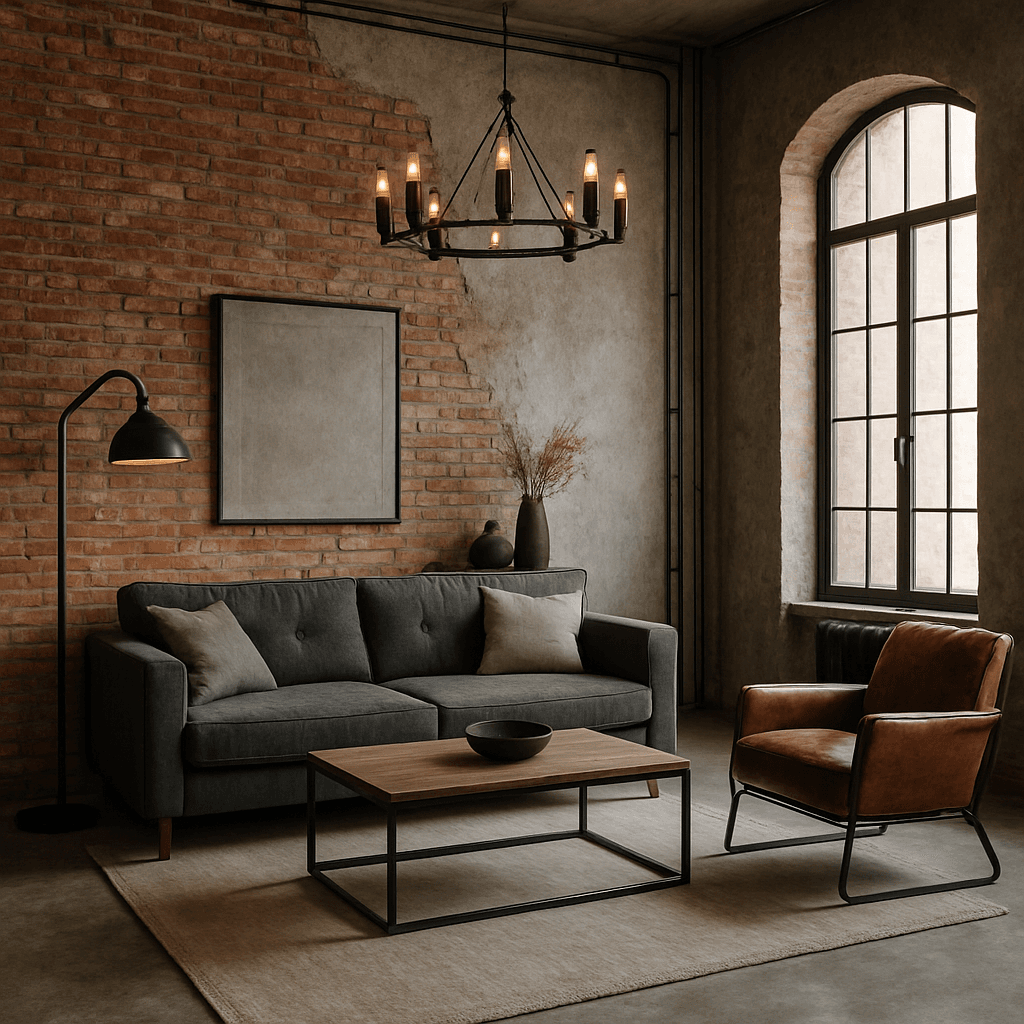
Industrial interior design takes inspiration from old factories and industrial spaces that were converted into lofts and living spaces, particularly in cities like New York and London. What started as necessity—exposed pipes, ductwork, and brick—became a celebrated aesthetic that embraces raw, unfinished elements.
This style celebrates honesty in materials and construction. Rather than hiding the bones of a building, industrial design makes them a feature. The result is spaces with incredible character and an urban edge that feels authentic and unpretentious.
Key Characteristics of Industrial Design
- ✓Exposed brick, concrete, and ductwork
- ✓Metal and reclaimed wood materials
- ✓Open floor plans with high ceilings
- ✓Utilitarian and vintage furniture
- ✓Edison bulbs and metal light fixtures
- ✓Neutral palette with metallic accents
Industrial Color Palette
Primary Colors
GrayBlackBrownExposed Brick Red
Accent Colors
CopperBrassNavy BlueForest Green
Essential Elements for Industrial Interiors
Metal-frame furniture
Reclaimed wood tables and shelving
Factory-style pendant lights
Leather sofas and chairs
Rolling carts and metal shelving
Vintage signage and machinery
Furniture Selection Tips
Balance hard industrial elements with soft textiles. A leather Chesterfield sofa, wool throw blankets, and area rugs prevent the space from feeling cold and unwelcoming.
Best Rooms for Industrial Style
The industrial aesthetic works particularly well in these spaces:
💡 Pro Tip
If you don't have exposed brick or ductwork, you can achieve the look with brick veneer, open metal shelving, and industrial lighting. Focus on the materials rather than trying to fake architectural features.
Try Industrial Style with AI
Transform any room into industrial style in seconds with our AI interior design tool.
Try It Free