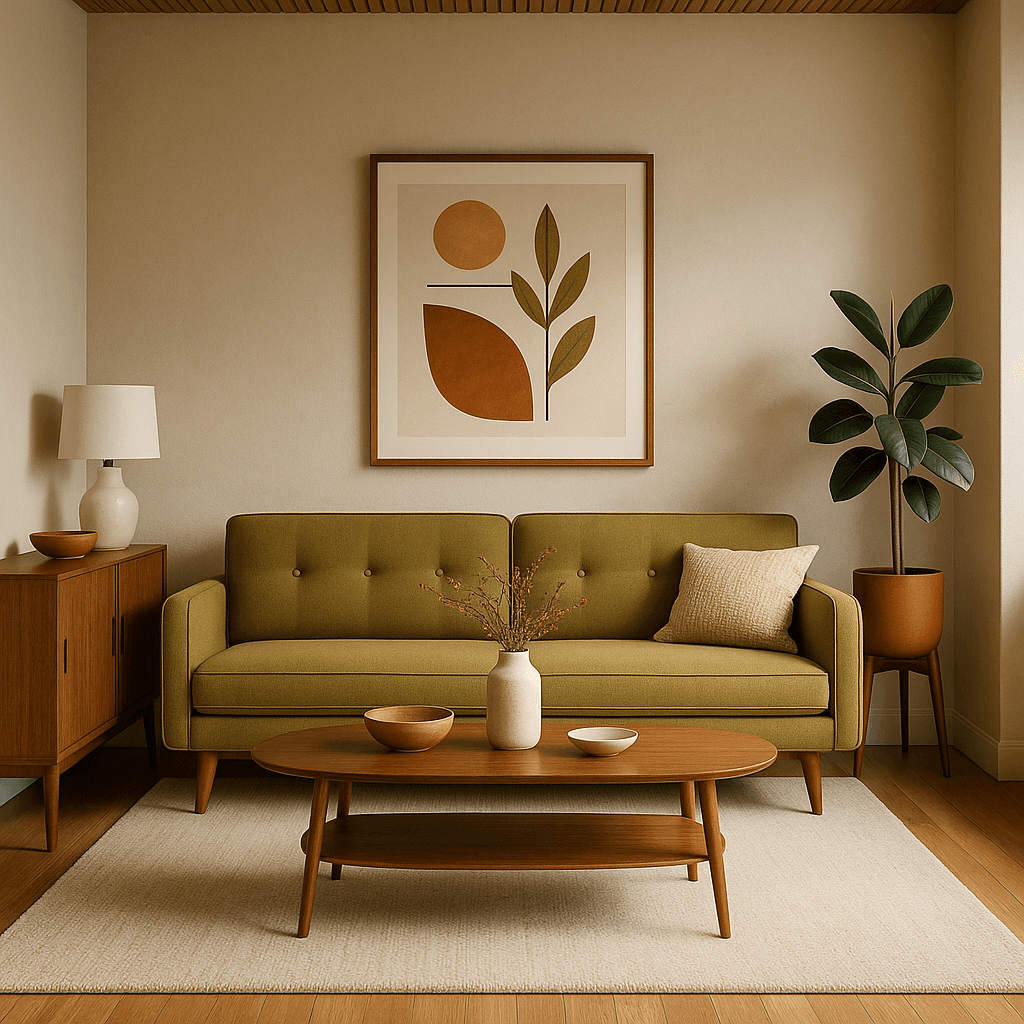
Mid-Century Modern
Key Characteristics of Mid-Century Modern Design
- ✓Organic, sculptural forms
- ✓Mix of traditional and non-traditional materials
- ✓Clean lines with gentle curves
- ✓Functionality and beauty in equal measure
- ✓Indoor-outdoor connection
- ✓Bold accent colors against neutral backgrounds
Mid-Century Modern Color Palette
Primary Colors
Accent Colors
Essential Elements for Mid-Century Modern Interiors
Furniture Selection Tips
Invest in one or two authentic or high-quality reproduction iconic pieces. A genuine Eames lounge chair or Noguchi coffee table can anchor an entire room and appreciates in value.
Best Rooms for Mid-Century Modern Style
The mid-century modern aesthetic works particularly well in these spaces:
💡 Pro Tip
Don't go too theme-heavy or your home will feel like a museum. Mix mid-century pieces with contemporary items and personal touches for a lived-in feel.
Try Mid-Century Modern Style with AI
Transform any room into mid-century modern style in seconds with our AI interior design tool.
Try It FreeExplore Our AI Design Tools
Related Styles
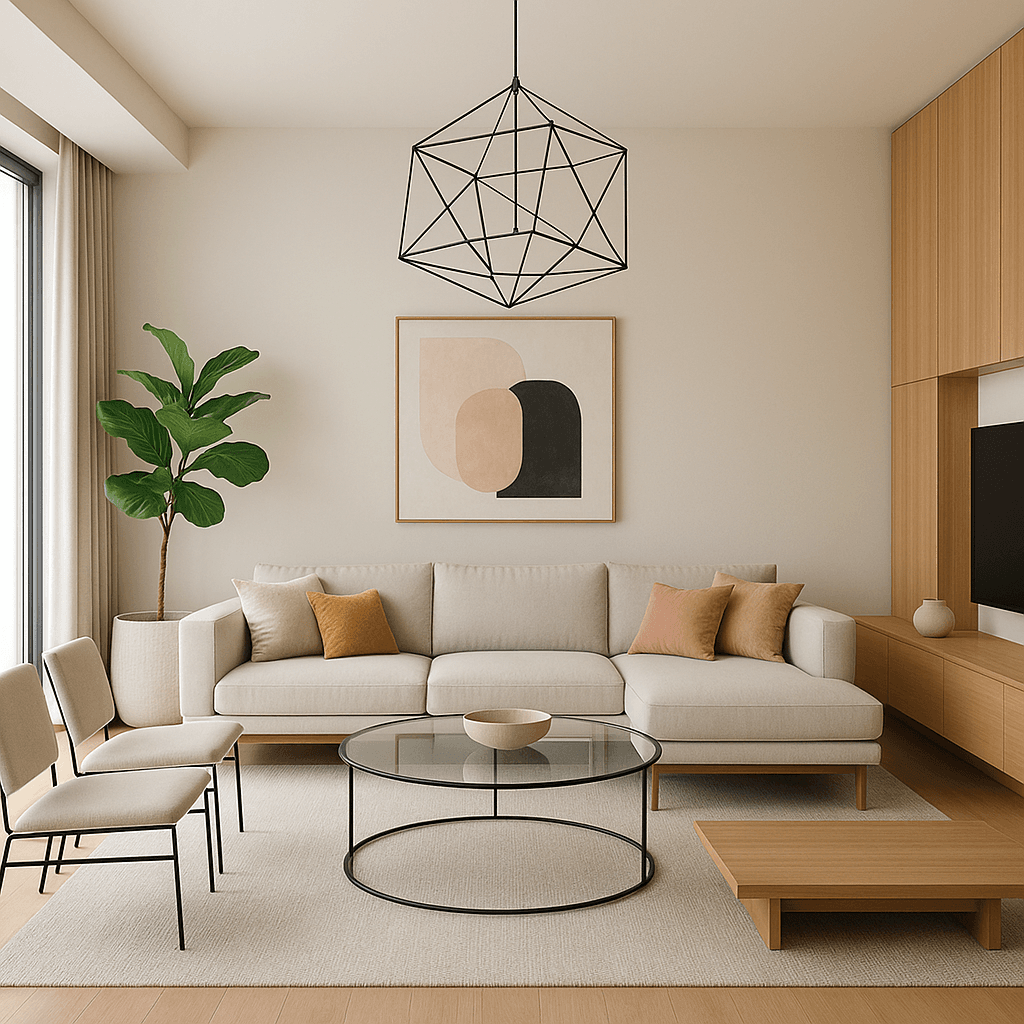
Modern
Clean lines, minimal ornamentation, and a focus on function with neutral color palettes and sleek materials.
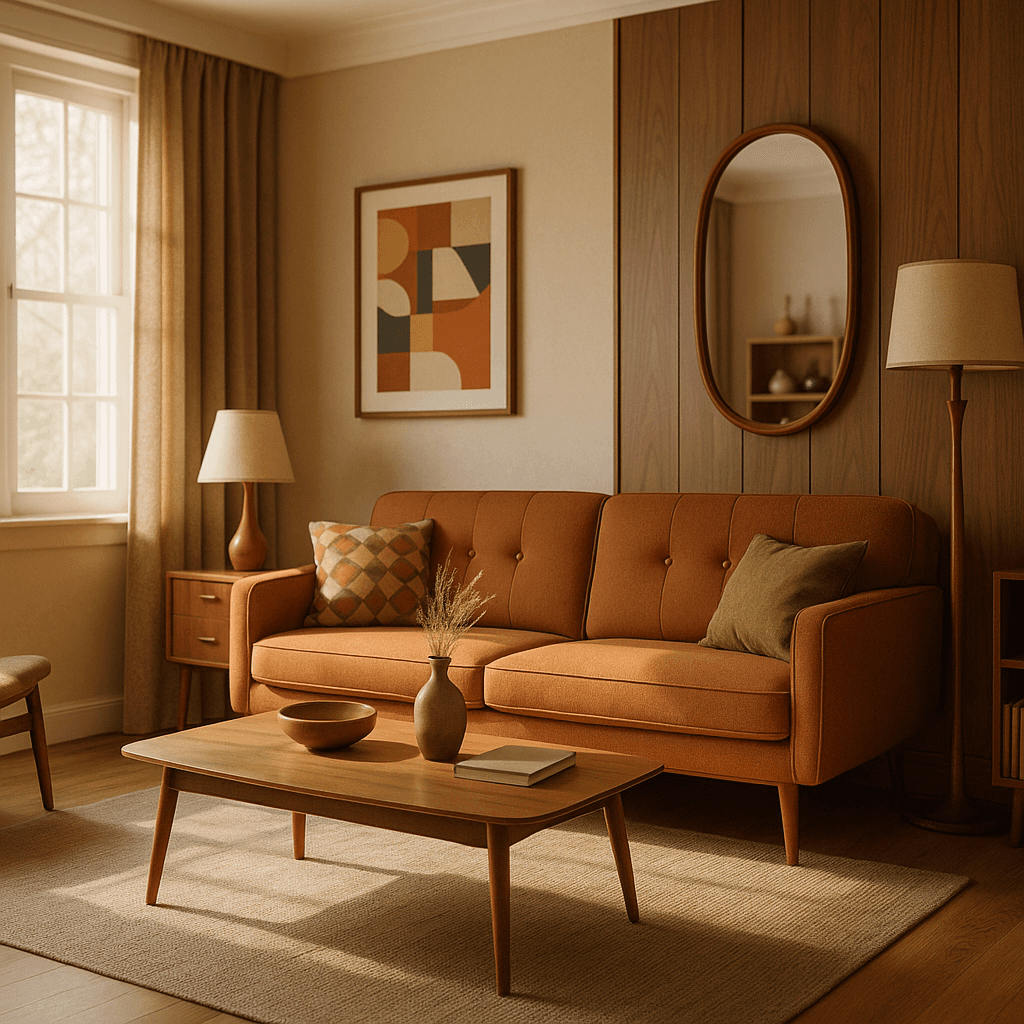
Retro
Nostalgic throwback to past decades with vintage furniture and period-appropriate colors.
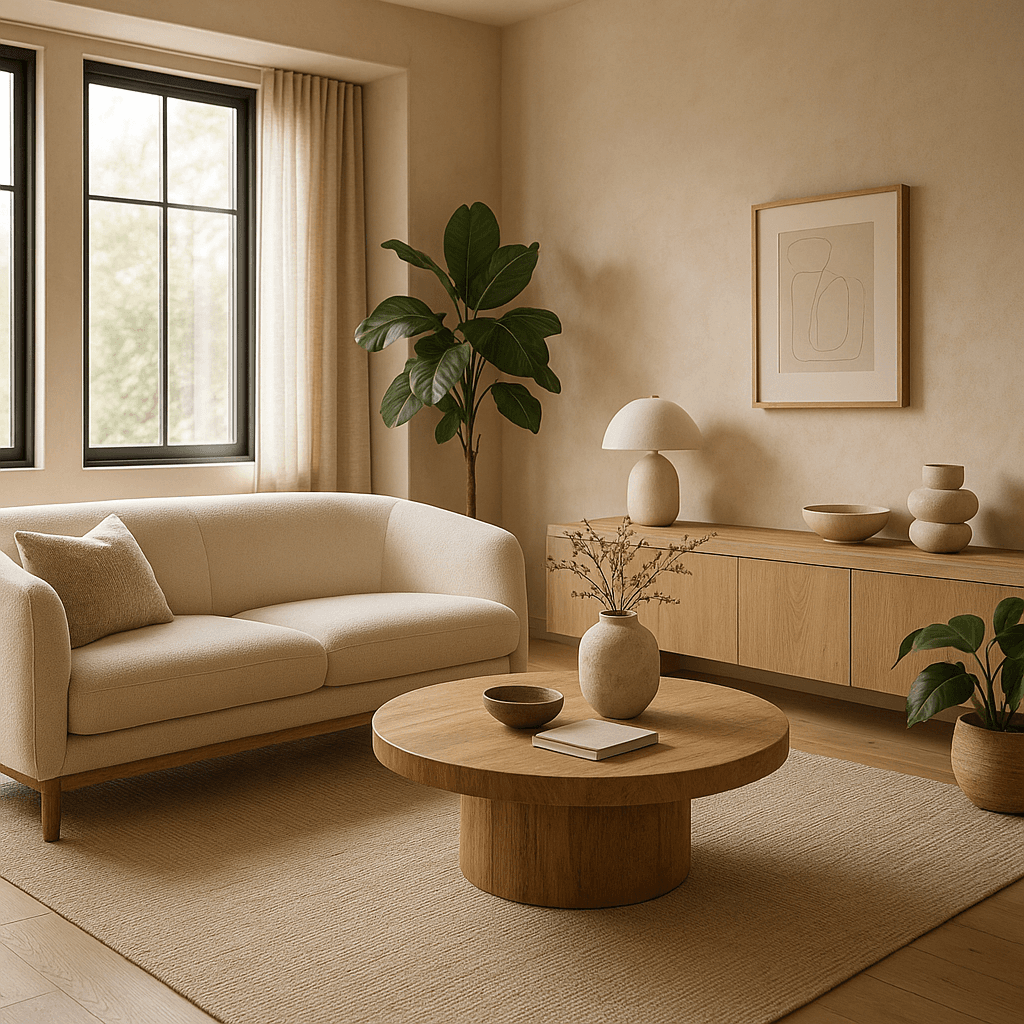
Organic Modern
Modern design with natural, organic shapes and sustainable materials for a softer aesthetic.