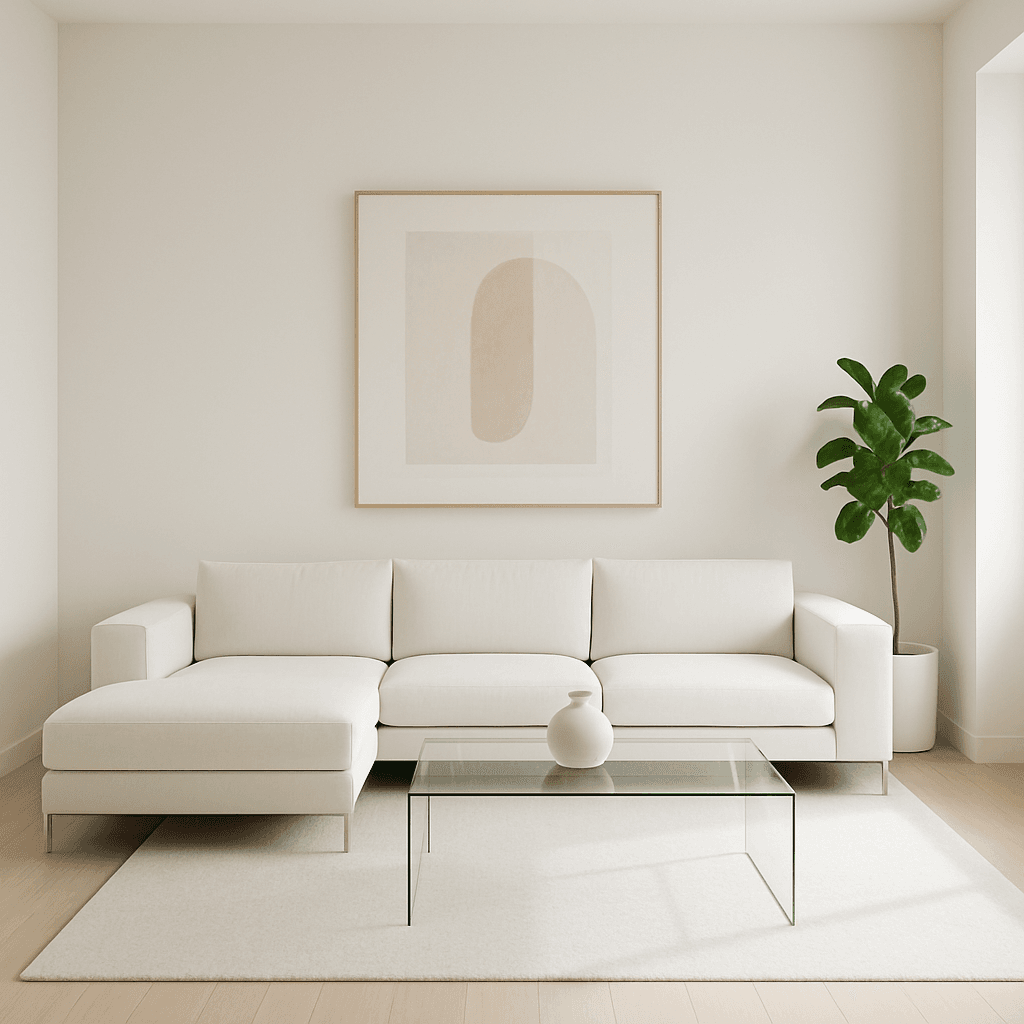
Minimalist
Key Characteristics of Minimalist Design
- ✓Monochromatic or very limited color palette
- ✓Clean lines and geometric forms
- ✓Hidden storage and clutter-free surfaces
- ✓High-quality materials in simple forms
- ✓Emphasis on negative space
- ✓Minimal to no decorative accessories
Minimalist Color Palette
Primary Colors
Accent Colors
Essential Elements for Minimalist Interiors
Furniture Selection Tips
Quality is paramount in minimalist design because each piece is so visible. Choose furniture with clean silhouettes and exceptional craftsmanship. Avoid furniture with visible hardware or ornate details.
Best Rooms for Minimalist Style
The minimalist aesthetic works particularly well in these spaces:
💡 Pro Tip
Before adding anything to a minimalist room, ask yourself: Is this beautiful? Is this functional? Does it bring me joy? If you can't answer yes to at least two, reconsider.
Try Minimalist Style with AI
Transform any room into minimalist style in seconds with our AI interior design tool.
Try It FreeExplore Our AI Design Tools
Related Styles
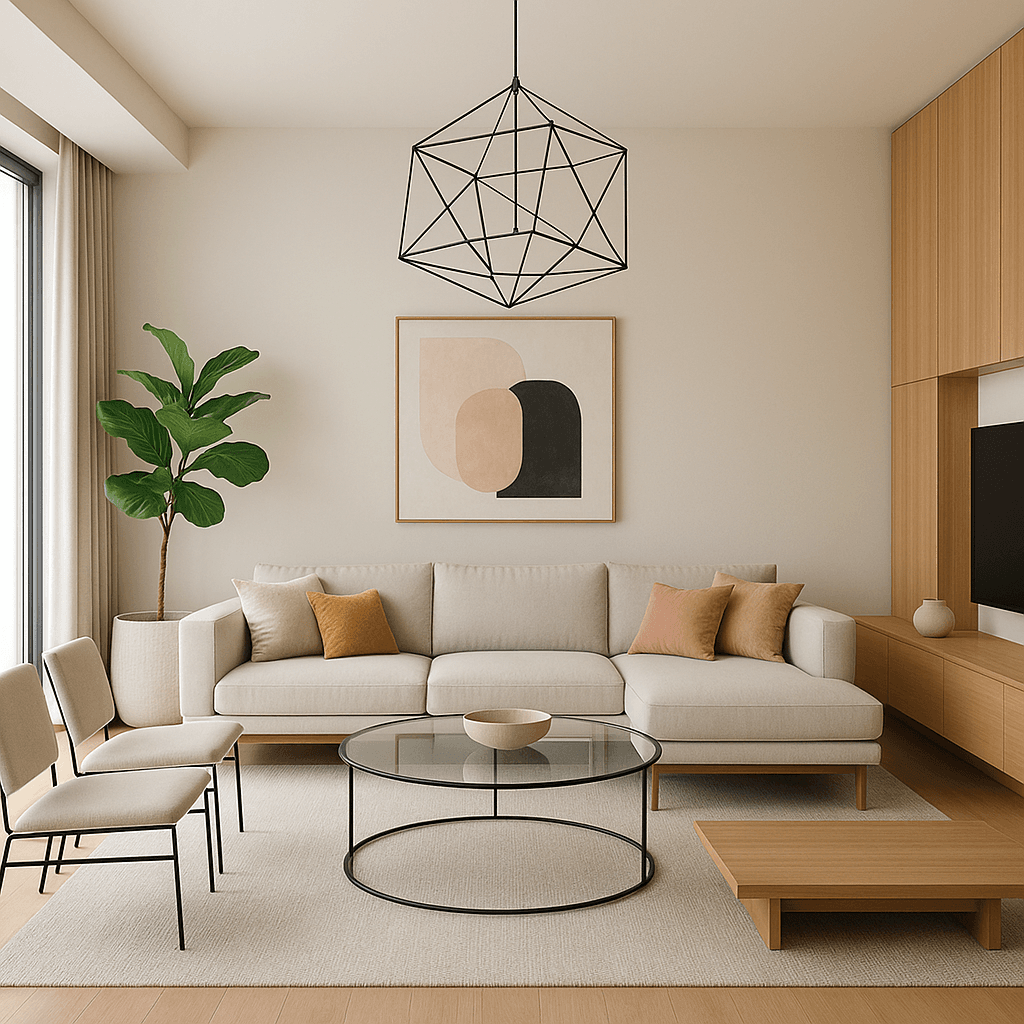
Modern
Clean lines, minimal ornamentation, and a focus on function with neutral color palettes and sleek materials.
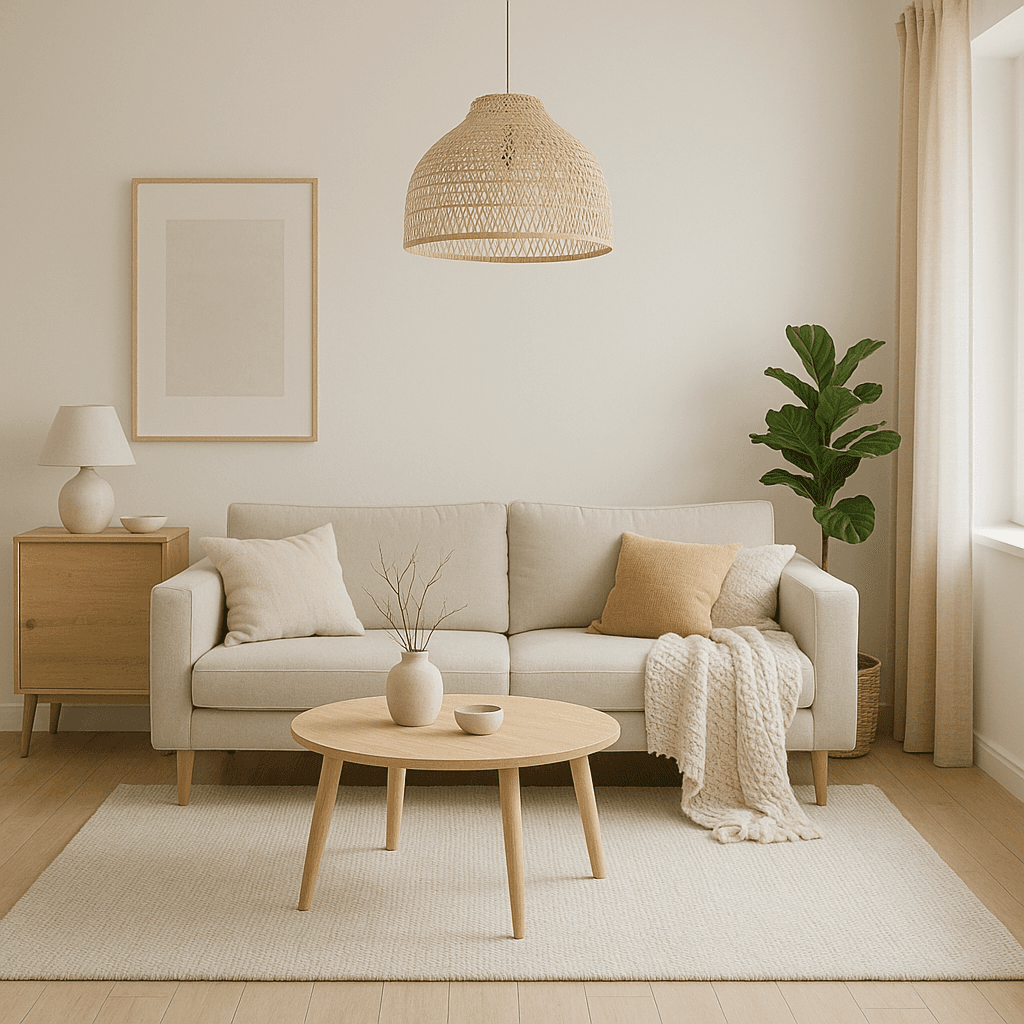
Scandinavian
Light, airy spaces with natural materials, neutral colors, and functional furniture with clean lines.
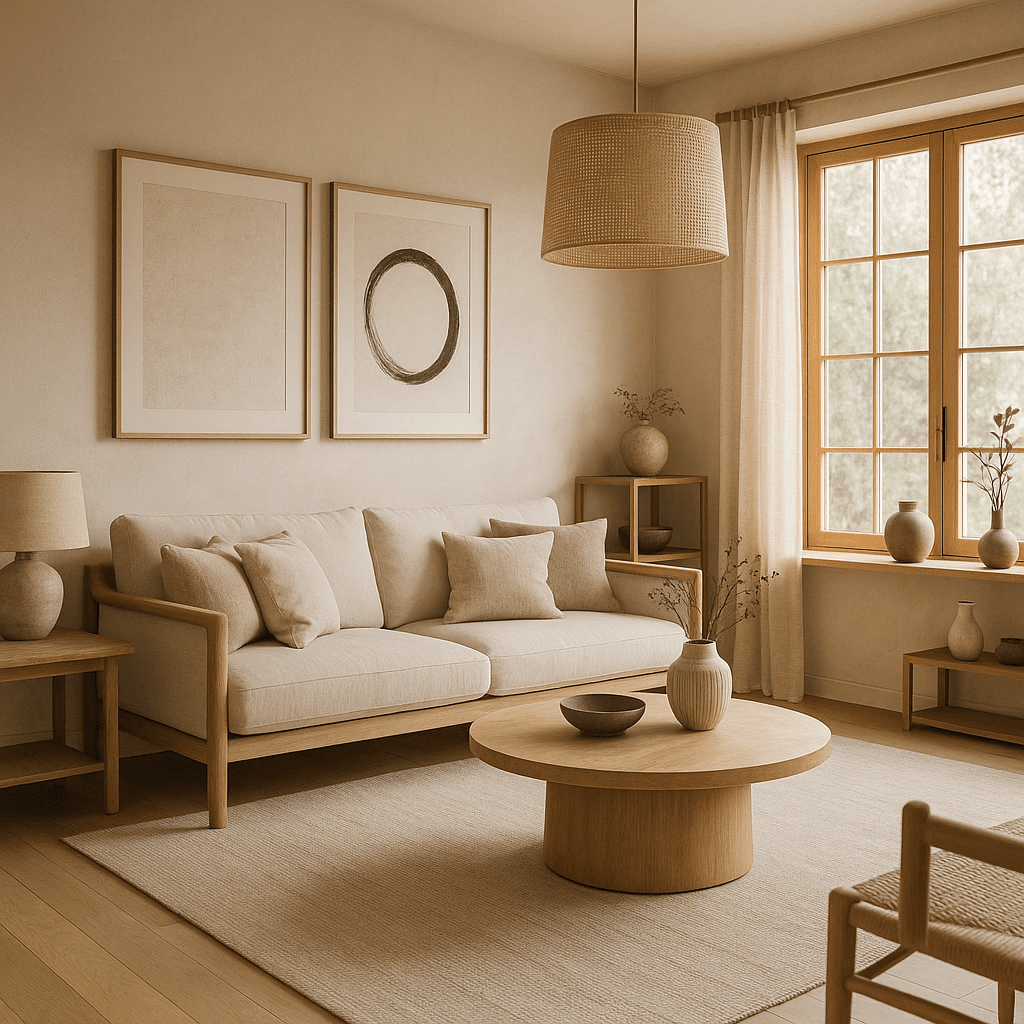
Japandi
Fusion of Japanese and Scandinavian design combining minimalism with warmth and natural materials.