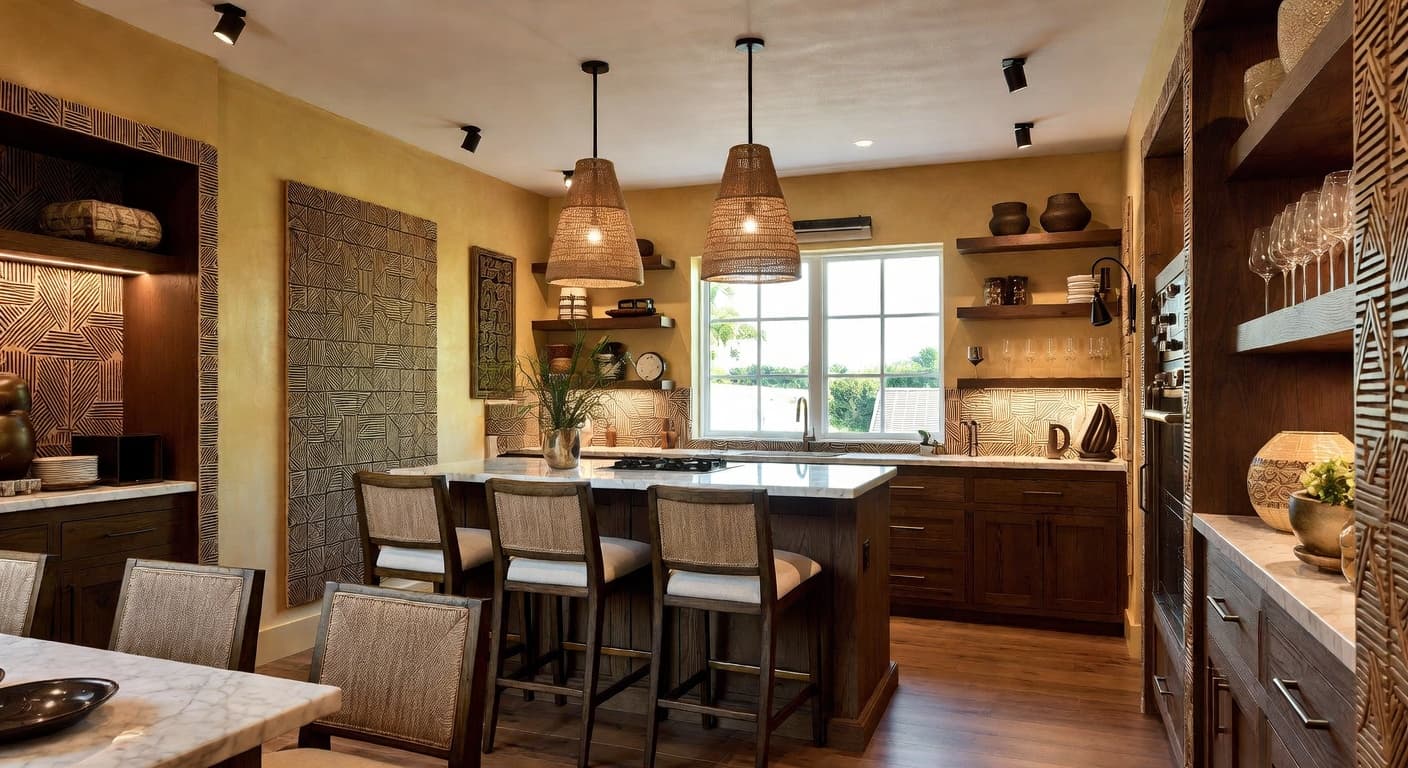
Creating Your Perfect African Butler's Pantry
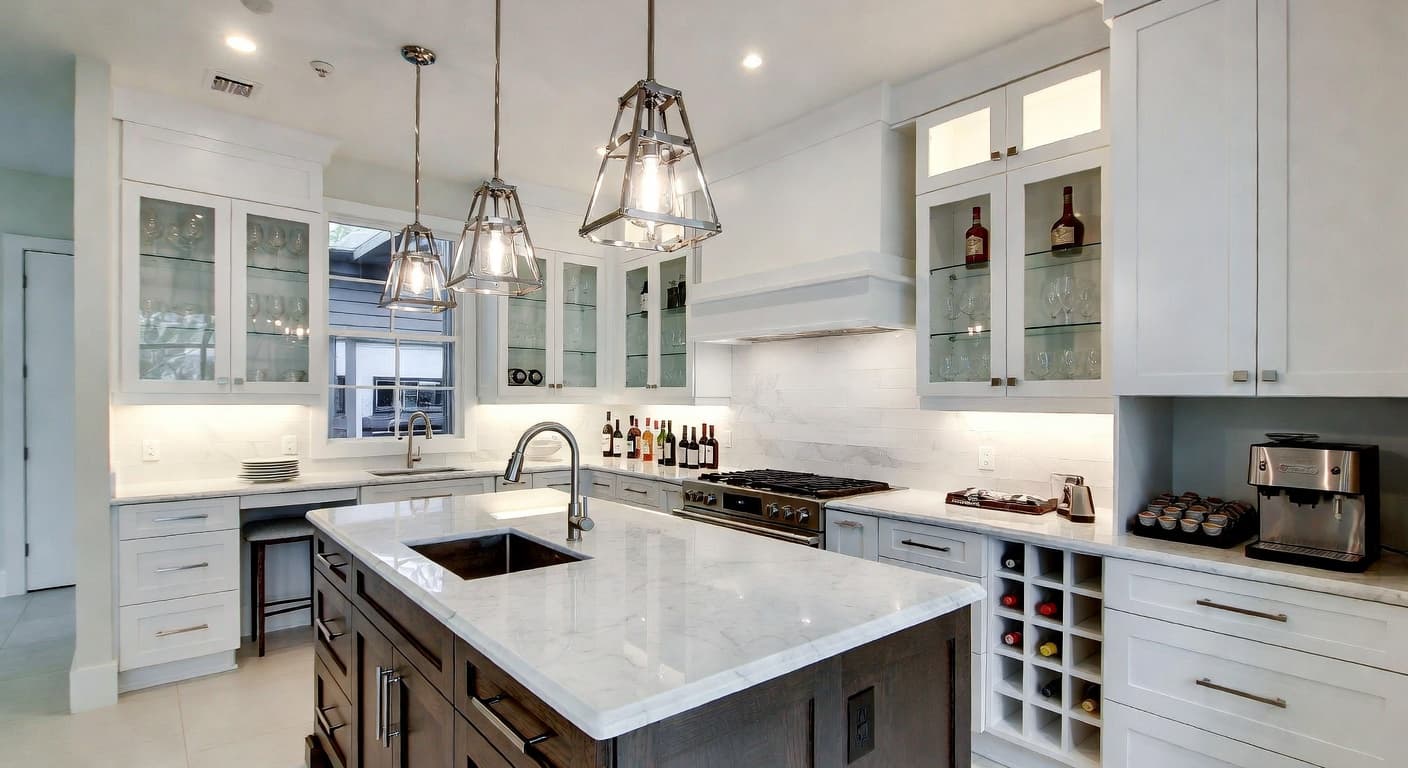
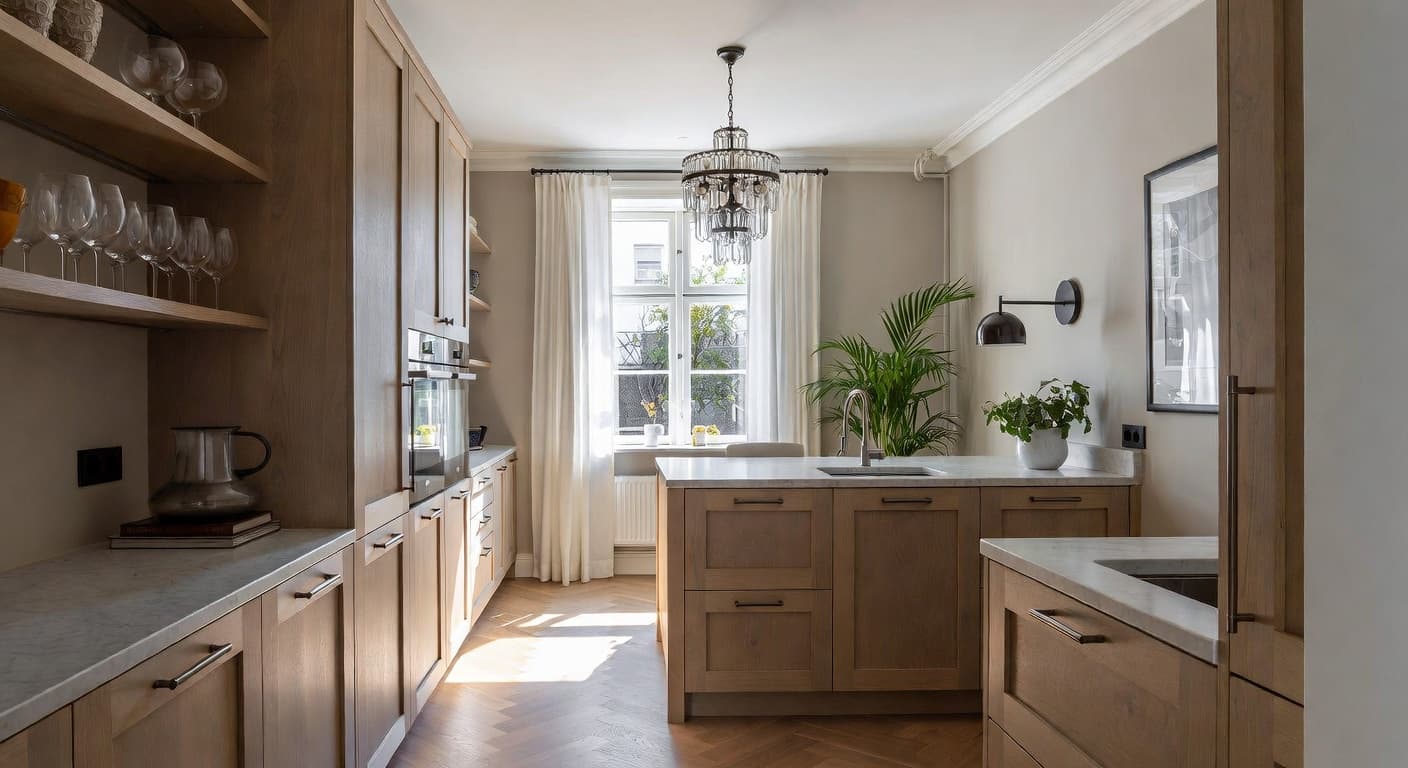
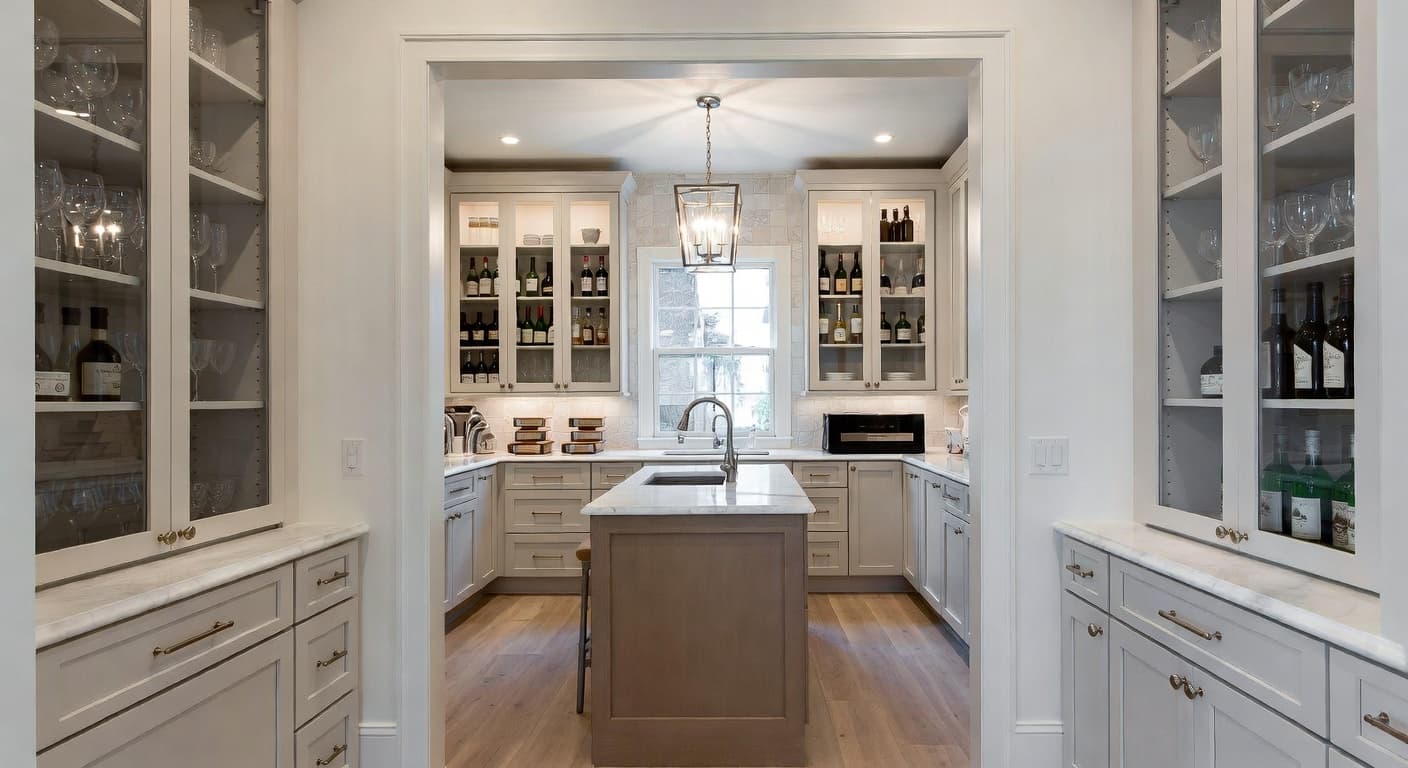
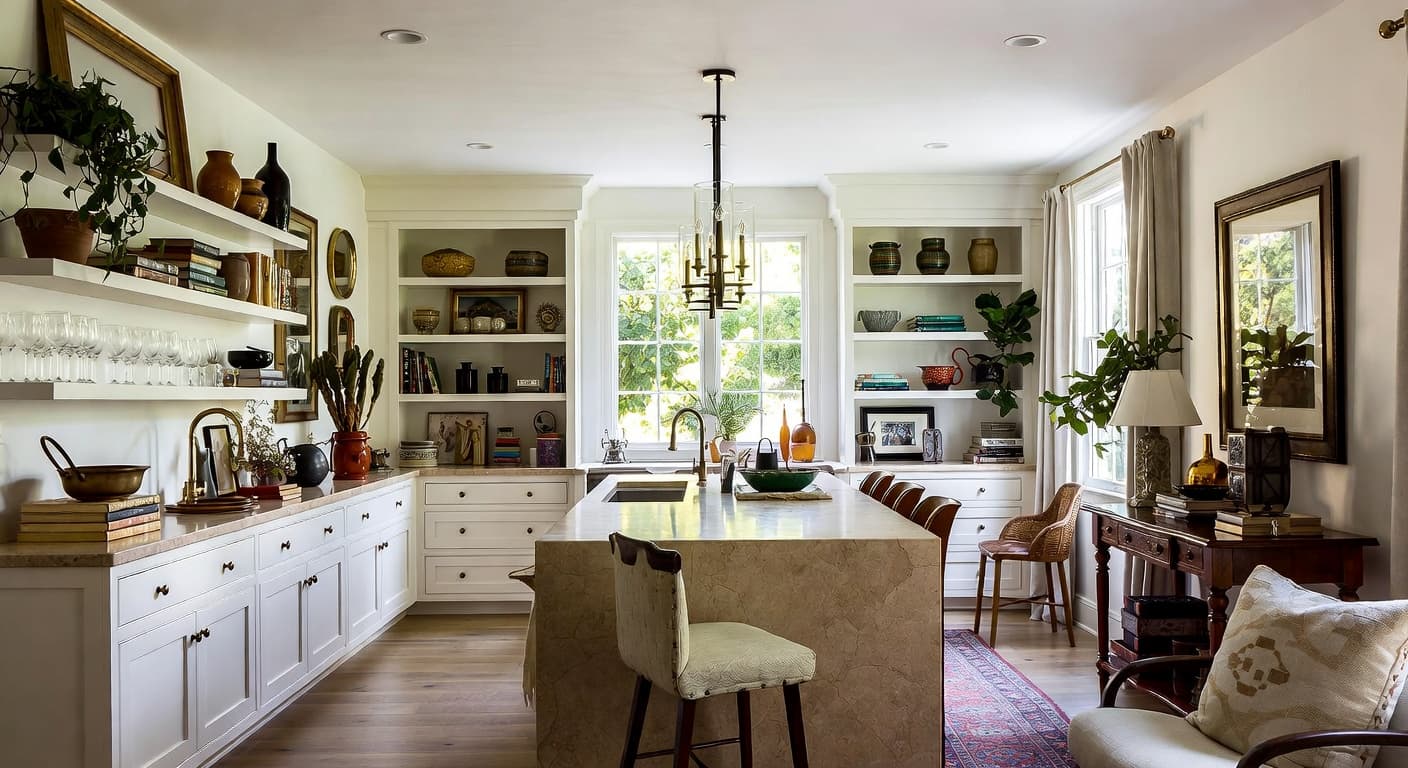
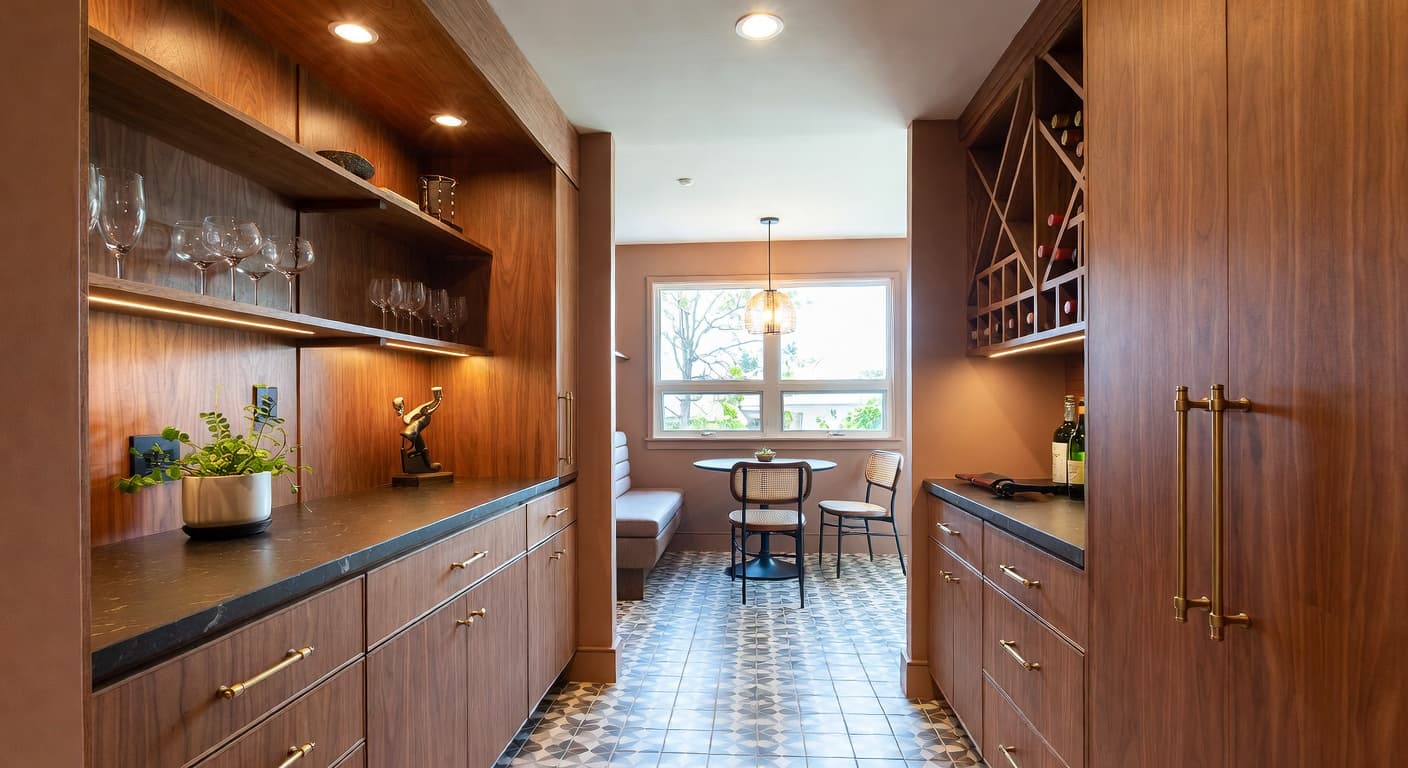
A african butler's pantry brings together the best of Timeless, traditional to contemporary design principles with the functional demands of a modern butler's pantry. The result is a space that's visually striking and perfectly suited for food staging, beverage service, dish storage, and entertaining prep.
Why African Works for Butler's Pantrys
Applying african design to your butler's pantry creates an interesting dynamic where bold geometric patterns meets workflow between kitchen and dining room. This combination works because african principles of honor tradition and community can be adapted to enhance food staging, beverage service, dish storage, and entertaining prep while maintaining visual appeal.
Design Principles for a African Butler's Pantry
Embrace Bold geometric patterns
In a african butler's pantry, bold geometric patterns forms the foundation of the design. Apply this to your beautiful cabinetry or glass-front display and key furniture pieces.
Balance African Materials
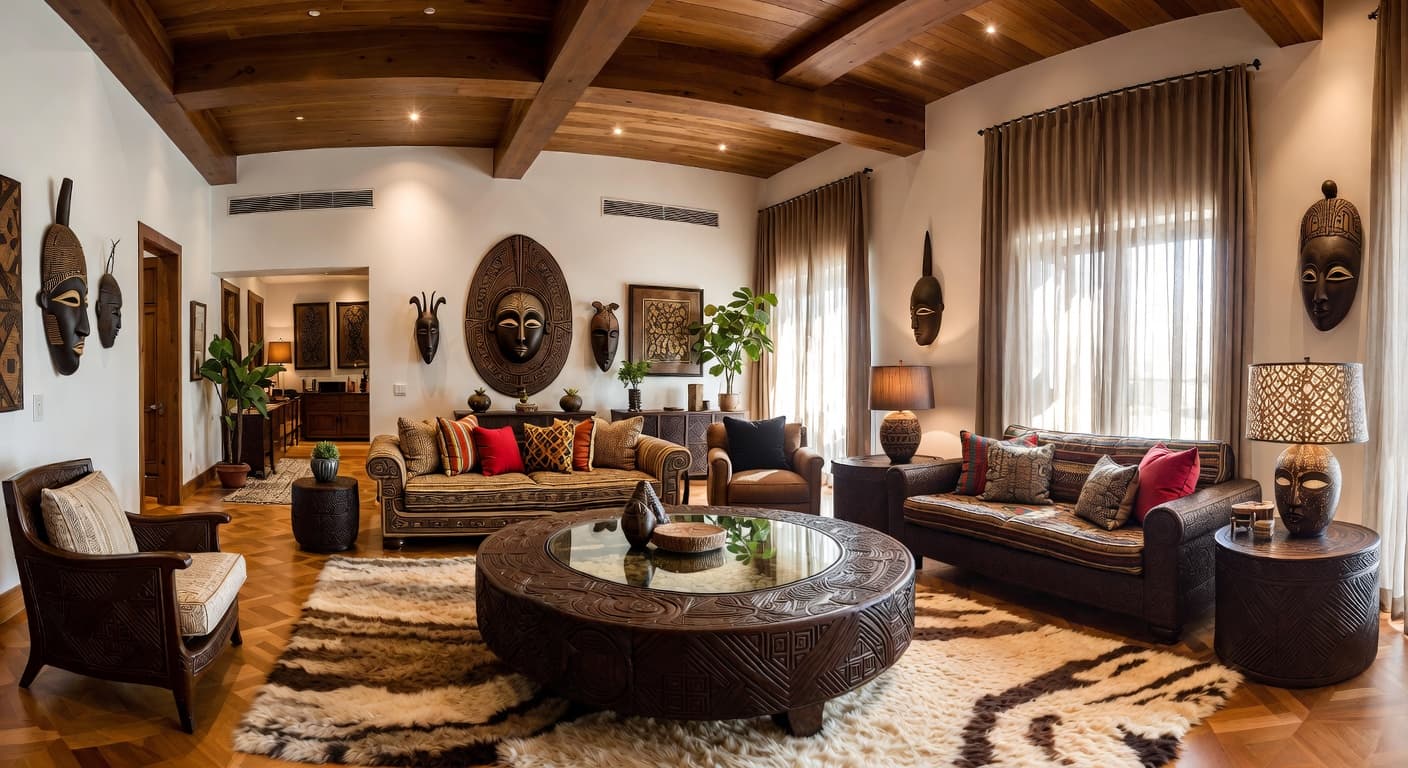
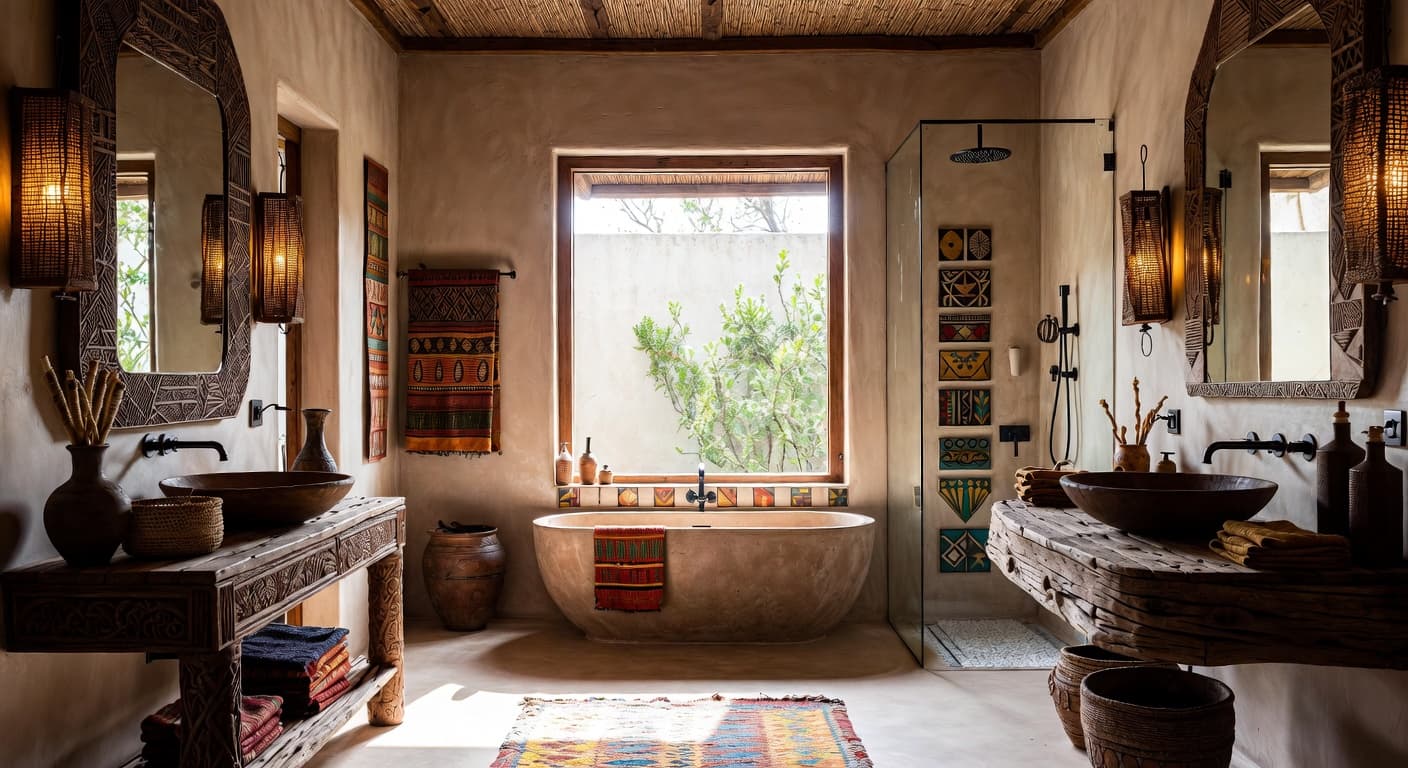
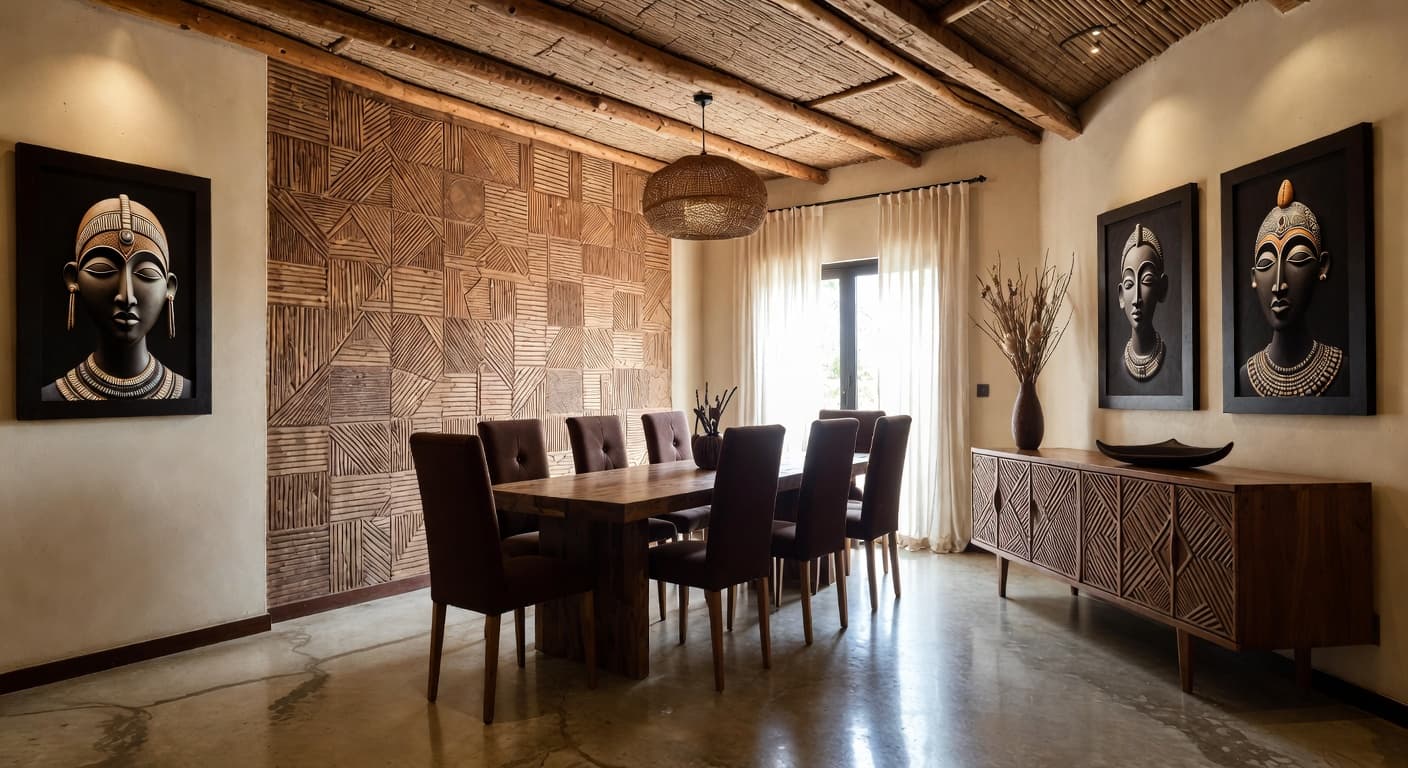
Incorporate dark wood (teak, ebony), woven textiles, clay pottery to achieve authentic african aesthetics. These materials work particularly well in butler's pantrys where counter space for serving prep is important.
Prioritize Workflow between kitchen and dining room
While maintaining african style, ensure your butler's pantry meets its primary purpose of food staging, beverage service, dish storage, and entertaining prep. Every design choice should support this function.
Layer Textures Thoughtfully
Combine rough-hewn wood and woven textiles textures to add depth. In a butler's pantry, texture layering can enhance both comfort and visual interest.
Create Visual Flow
Use kente cloth patterns and terracotta/burnt sienna tones to guide the eye through the space. This is especially important in butler's pantrys where clear path through space; typically 4 feet wide minimum.
Consider the Lighting
Warm and ambient lighting is essential for african style. In your butler's pantry, bright task lighting for food prep and dish organization, so layer your light sources accordingly.
Color Palette Recommendations
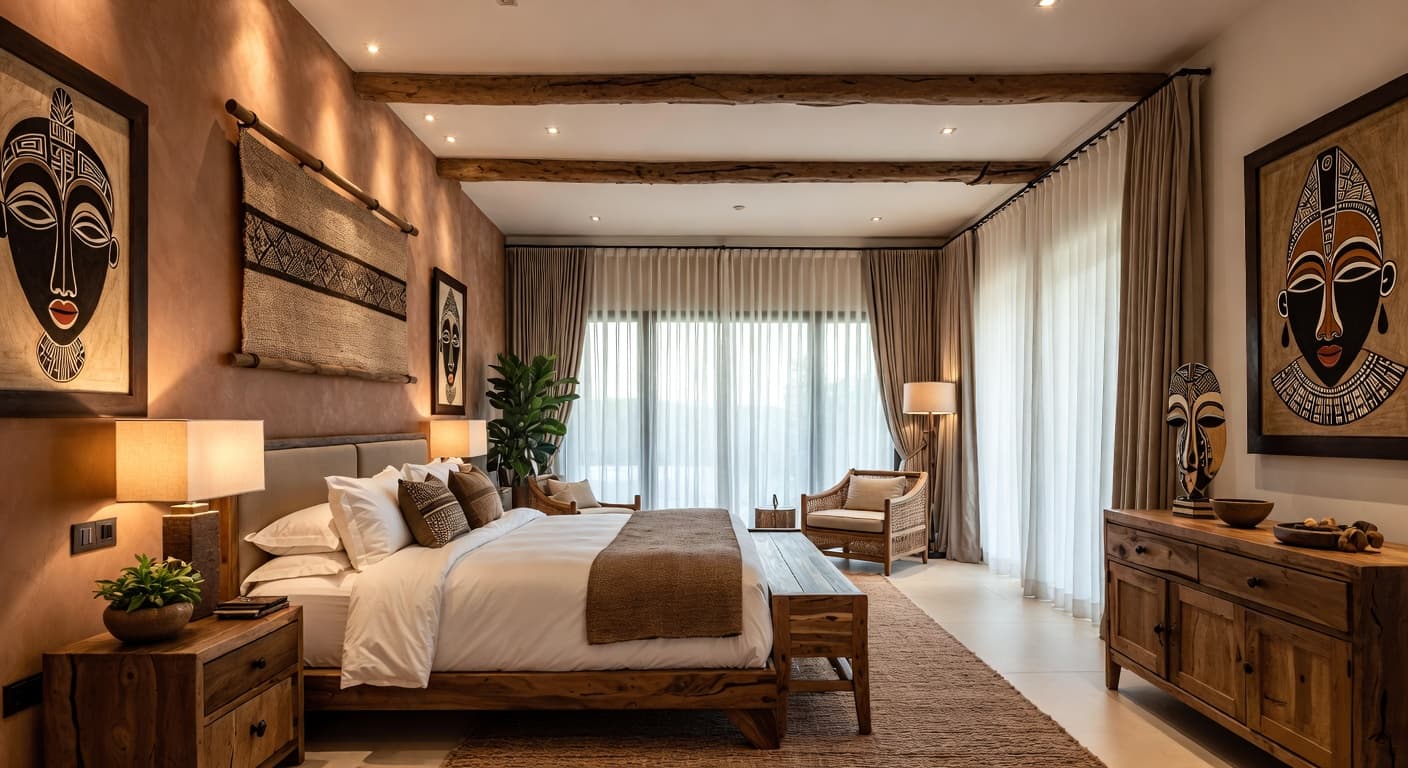
A african butler's pantry typically features terracotta and burnt sienna as the dominant colors, with saffron or burnt orange for accents. These colors support food staging, beverage service, dish storage, and entertaining prep while maintaining the african aesthetic.
Primary Colors
Accent Colors
Avoid cool pastels and stark whites in your african butler's pantry, as these can disrupt the intended atmosphere and clash with the style's core principles.
Furniture Essentials
Furniture in a african butler's pantry should embody carved wood details and low seating. Select pieces that serve the room's function while exemplifying african design principles.
Must-Have Pieces
- ✓carved wood details upper and lower cabinets
- ✓carved wood details countertop workspace
- ✓carved wood details shelving for dishes
- ✓carved wood details storage for serving pieces
Statement Pieces
- ★djembe drum stools
- ★carved wooden chairs
- ★woven baskets
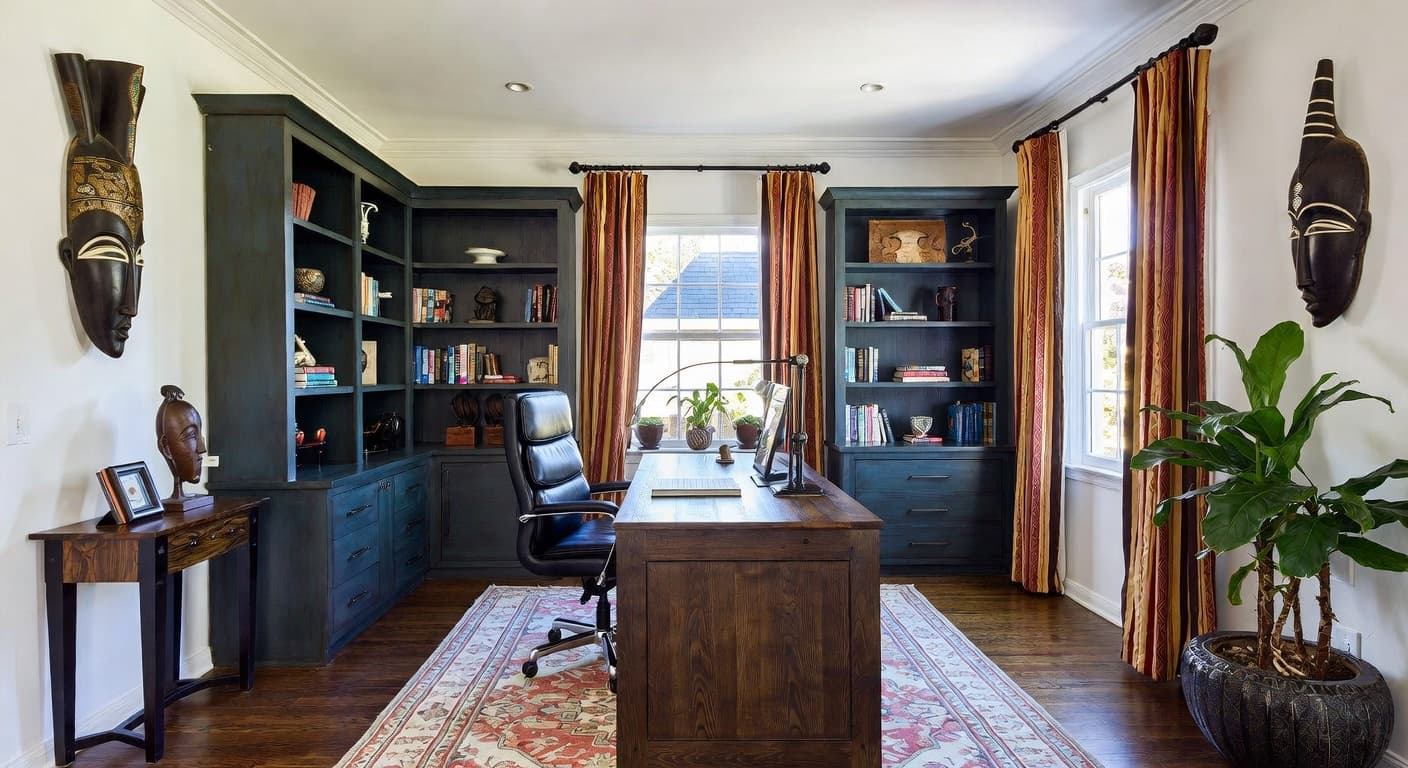
- ★tribal masks
Pro Furniture Tips
When selecting furniture for your african butler's pantry, prioritize cabinetry as your main investment. This piece will anchor the room and set the tone for the entire space.
Materials & Textures
The materials you choose will define your african butler's pantry. Focus on dark wood (teak, ebony), woven textiles, clay pottery for furniture and finishes. For flooring, consider hardwood or tile to complement the overall aesthetic.
Recommended Materials
Key Textures
Lighting Guide
Lighting in a african butler's pantry should be warm and ambient. Since butler's pantrys require bright task lighting for food prep and dish organization, combine african fixtures with practical task lighting.
Recommended Fixtures
Lighting Tips
- •Layer lighting for tasks and ambiance
- •Add dimmer for when not in use
- •Use LED strips under cabinets
- •Choose fixtures that embody african aesthetics while providing adequate illumination for food staging, beverage service, dish storage, and entertaining prep.
Layout & Arrangement
When planning your african butler's pantry layout, remember that Handcrafted artifacts is key. The room should accommodate clear path through space; typically 4 feet wide minimum while creating african's signature atmosphere.
Focal Point
In a african butler's pantry, the focal point is typically beautiful cabinetry or glass-front display, styled with djembe drum stools to embody the african aesthetic.
Layout Priorities
- 1.Efficient pass-through design
- 2.Counter space for staging
- 3.Storage accessibility
- 4.Small appliance zones
Common Mistakes to Avoid
- ✕Over-styling: Adding too many african elements can overwhelm the space. Remember, honor tradition and community .
- ✕Ignoring function: Don't sacrifice food staging, beverage service, dish storage, and entertaining prep for style. Your butler's pantry must work for daily life.
- ✕Wrong scale: Choosing furniture that's too large or small for your butler's pantry disrupts both function and african aesthetics.
- ✕Neglecting lighting: Poor lighting undermines even the best african design. Layer your light sources appropriately.
- ✕Mismatched materials: Using materials like cool pastels can clash with african principles.
💡 Designer Pro Tips
- •Start with the cabinetry - it's the anchor of your african butler's pantry and worth investing in quality.
- •Layer textures using rough-hewn wood and woven textiles to add depth and interest without cluttering the space.
- •Honor tradition and community - celebrate ancestral wisdom through bold, meaningful design.
- •Consider the butler's pantry's natural light when selecting terracotta tones - they can appear differently throughout the day.
- •Add personal touches that complement the african aesthetic - your space should feel lived-in, not like a showroom.
Frequently Asked Questions
What defines a african butler's pantry?
A african butler's pantry is characterized by Bold geometric patterns, Natural materials and textures, Handcrafted artifacts, and the use of dark wood (teak, ebony), woven textiles, clay pottery. It balances the african aesthetic with the functional requirements of a butler's pantry.
What colors work best in a african butler's pantry?
The ideal color palette includes terracotta, burnt sienna, ochre as primary colors, with saffron or burnt orange as accents. Avoid cool pastels and stark whites as they can disrupt the african atmosphere.
How do I achieve african style on a budget?
Focus your budget on cabinetry and countertops first. Add african elements gradually through rough-hewn wood textiles, saffron accents, and dark wood (teak, ebony) accessories.
What furniture is essential for a african butler's pantry?
Essential pieces include upper and lower cabinets, countertop workspace, shelving for dishes. Look for furniture with carved wood details and low seating characteristics. Statement pieces like a djembe drum stools can anchor the design.
Explore More Design Tools
Discover more ways to transform your butler's pantry with our AI-powered design platform.
Design Your Butler's Pantry with AI
Upload a photo of your space and instantly transform it into a stunning african butler's pantry.
Try It Free