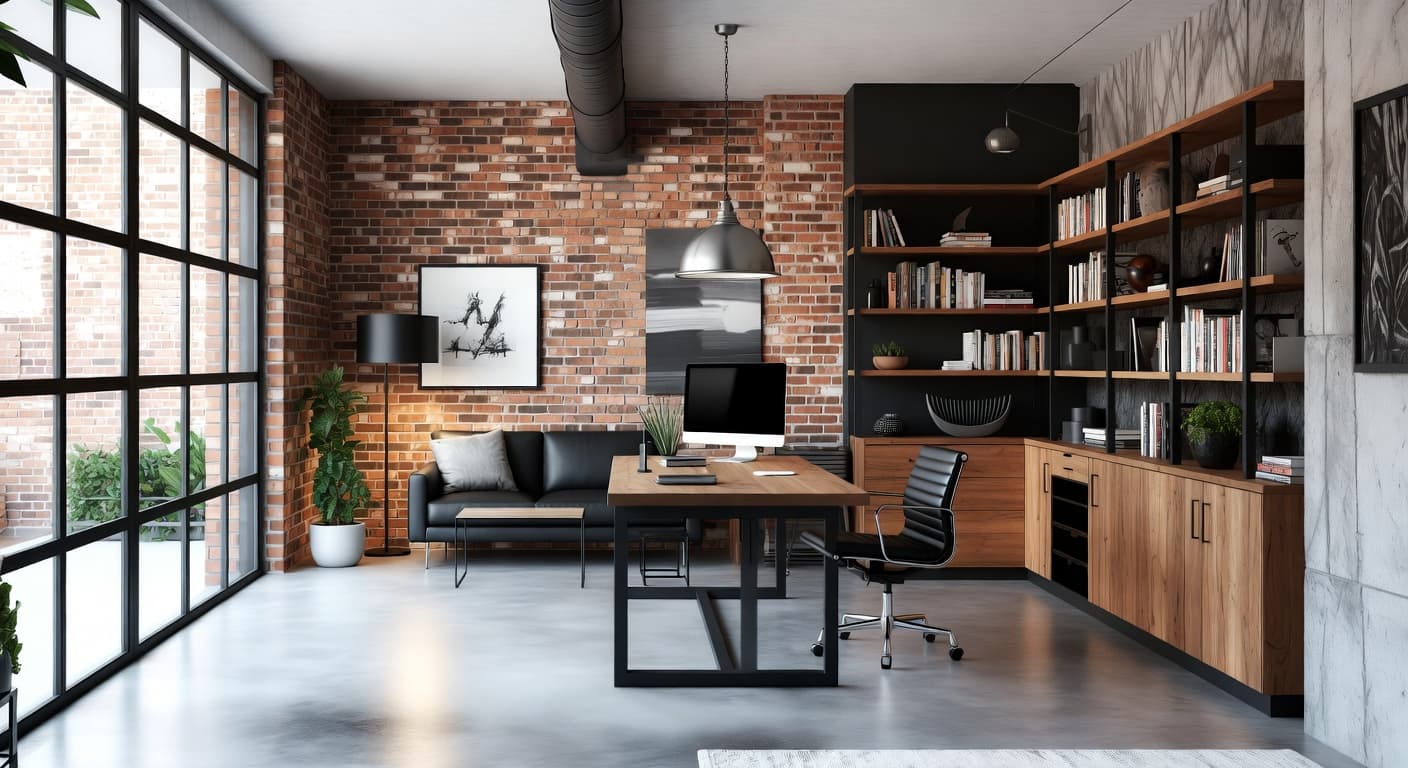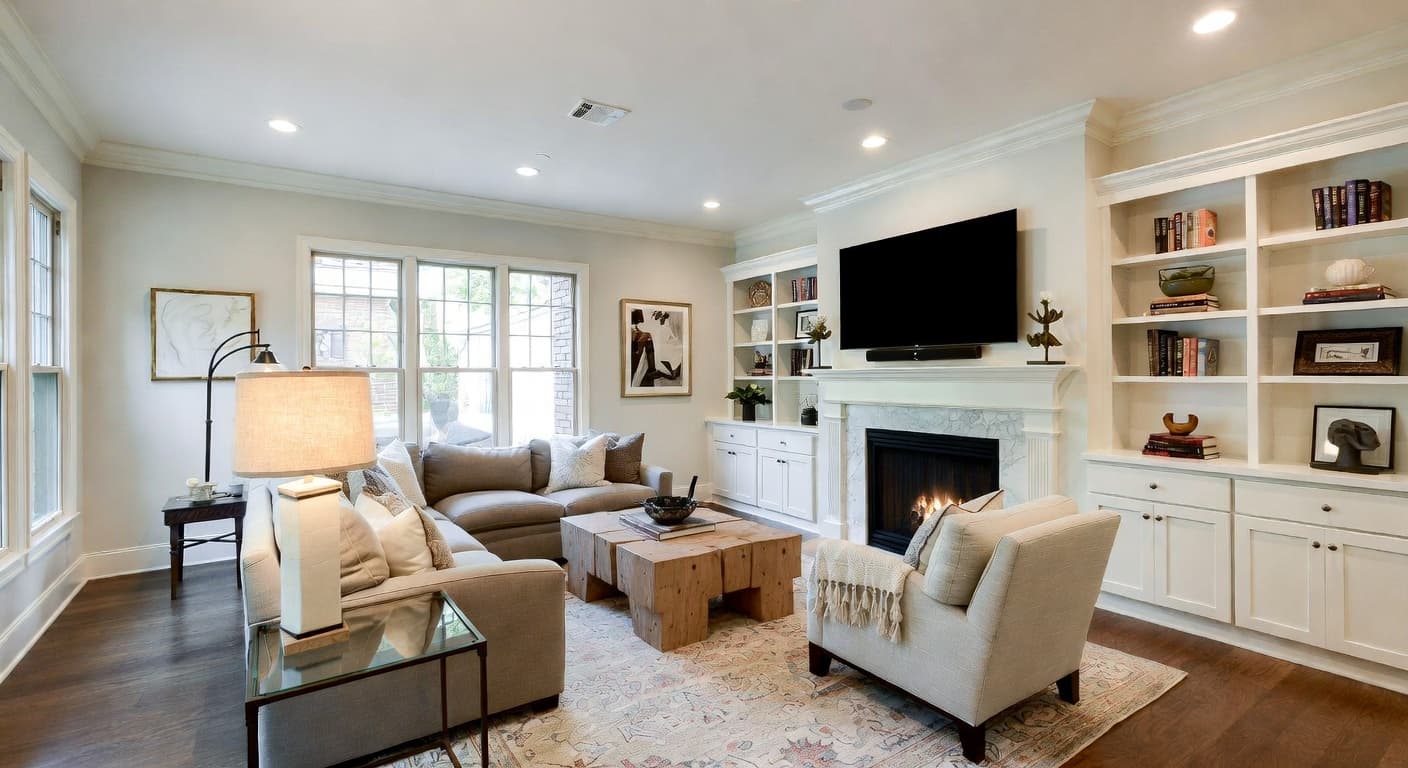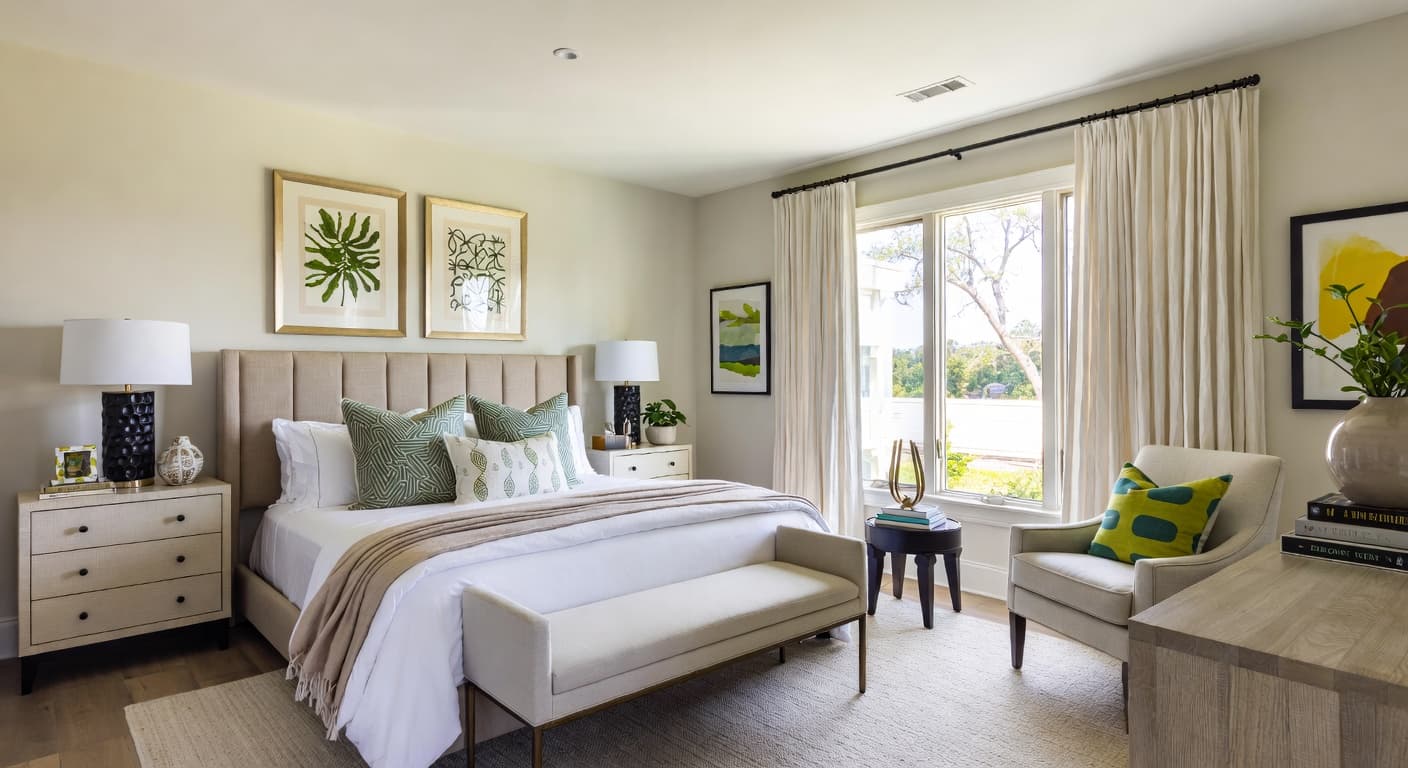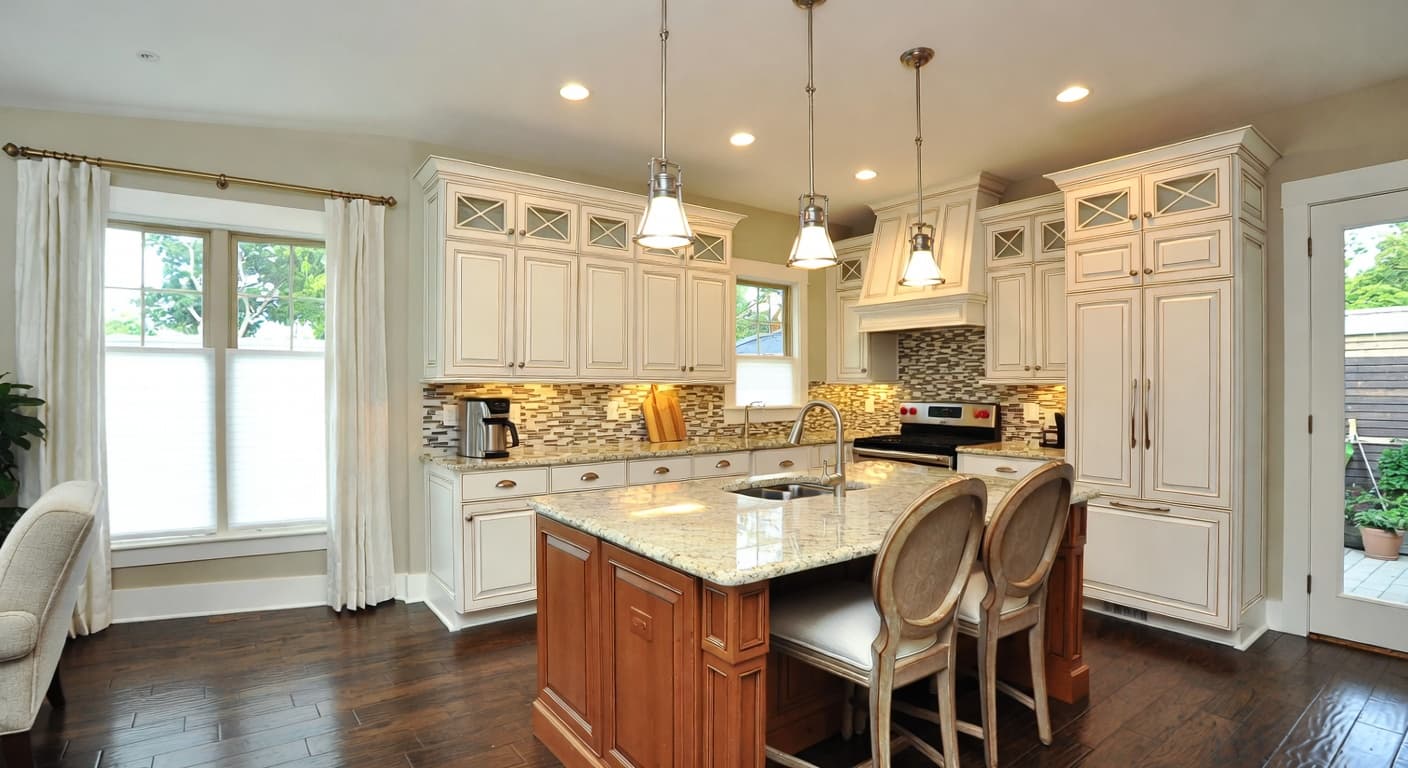
Creating Your Perfect Transitional Home Office
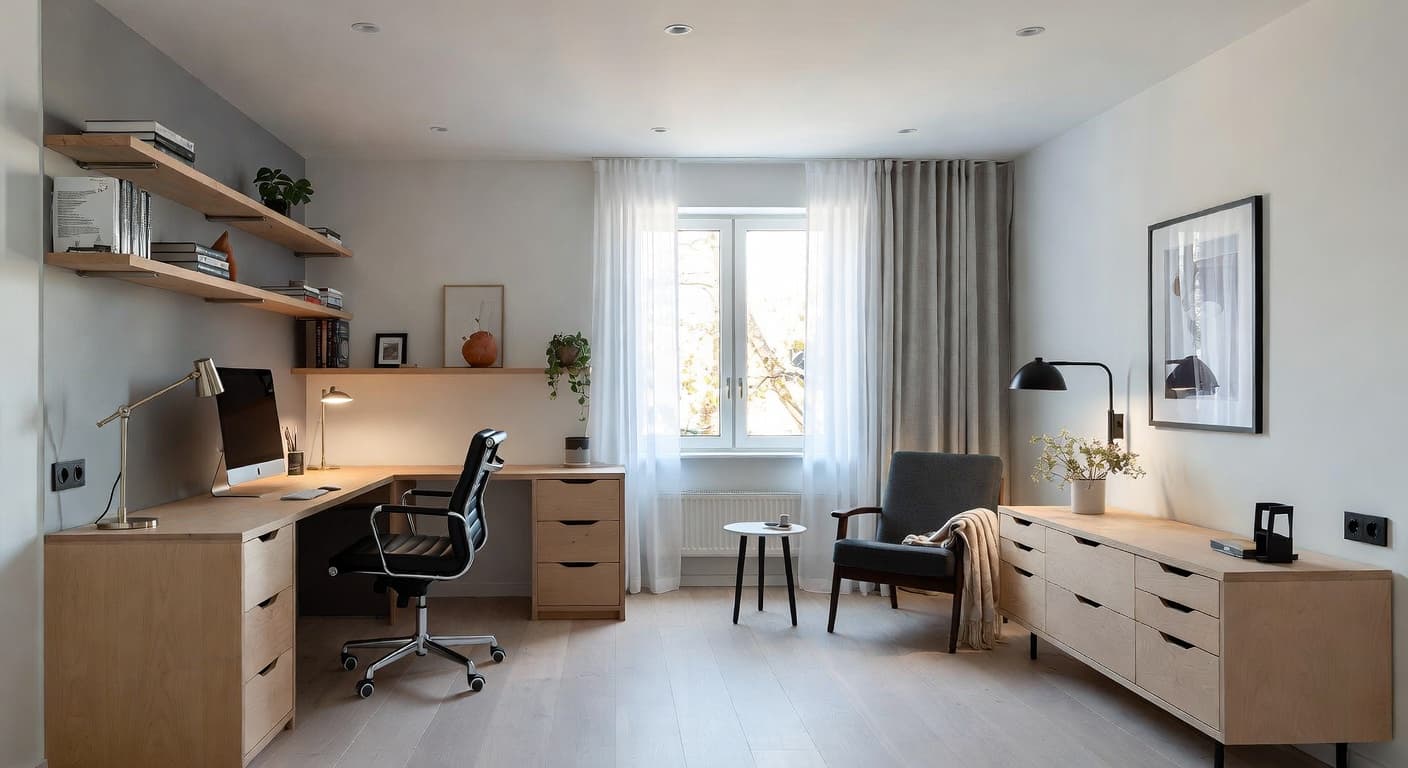
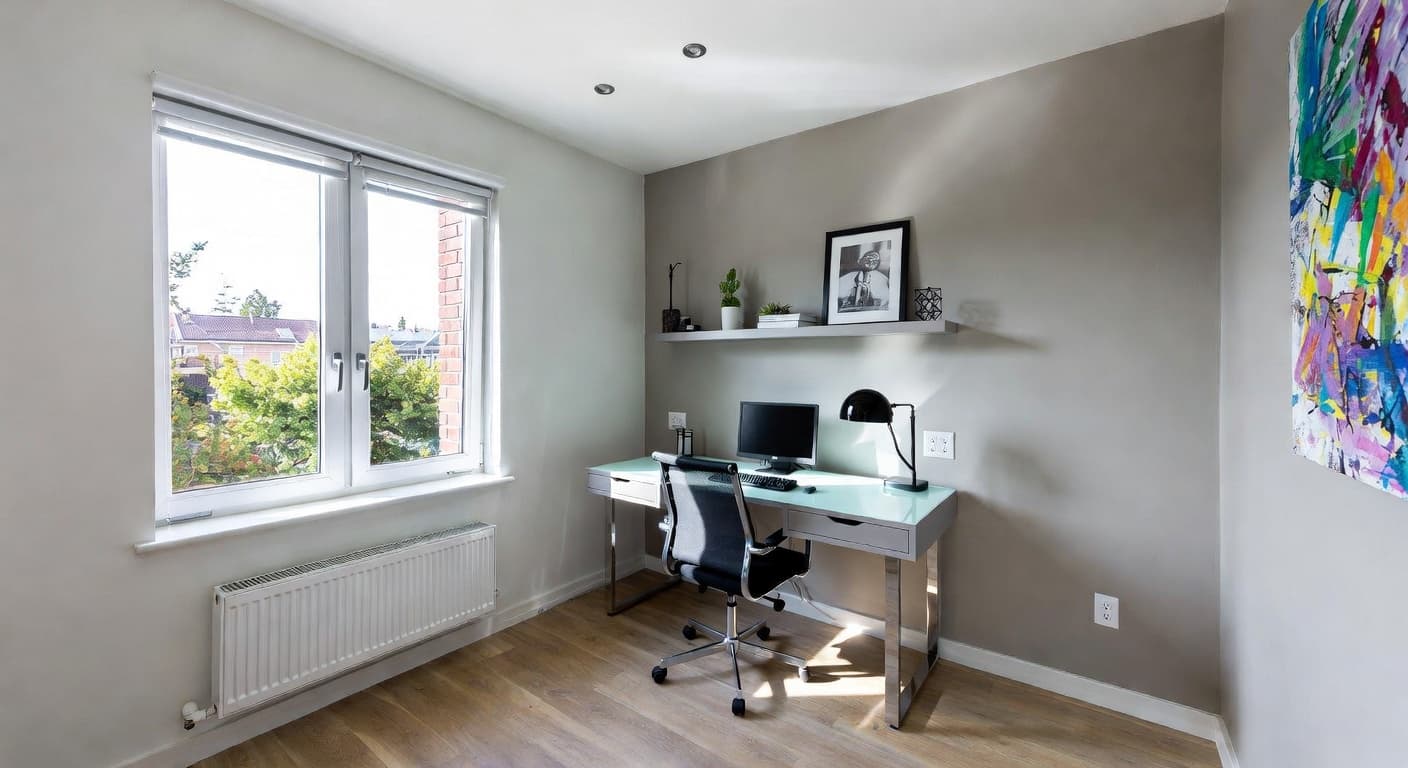
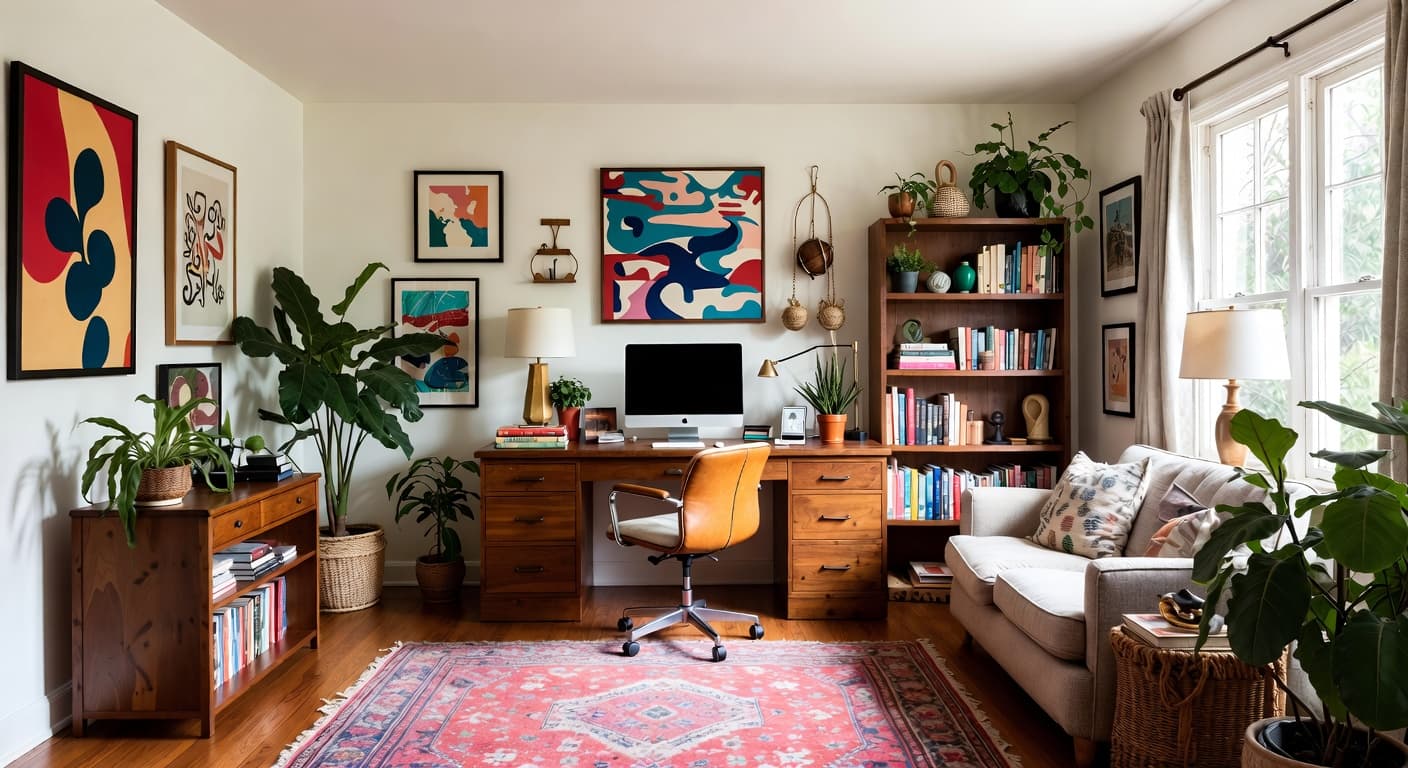
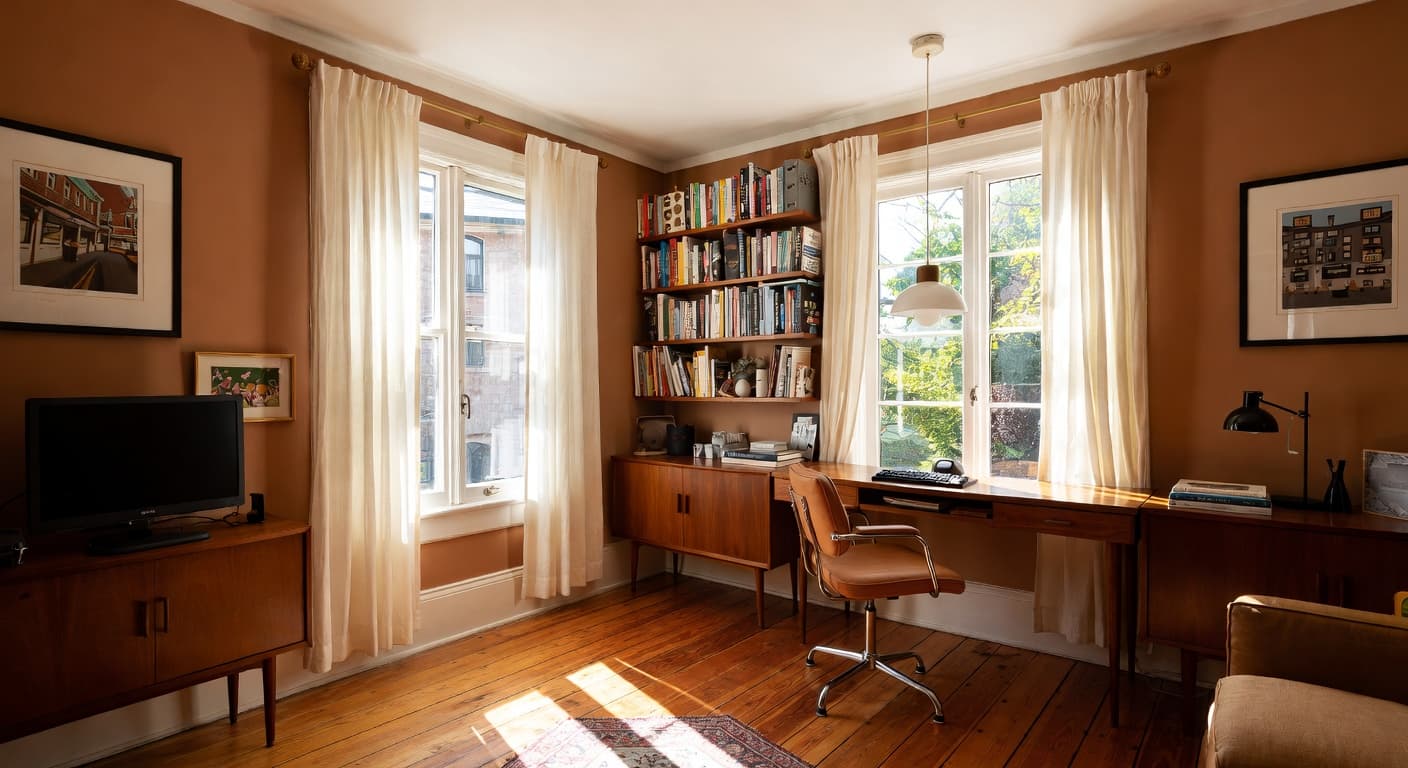
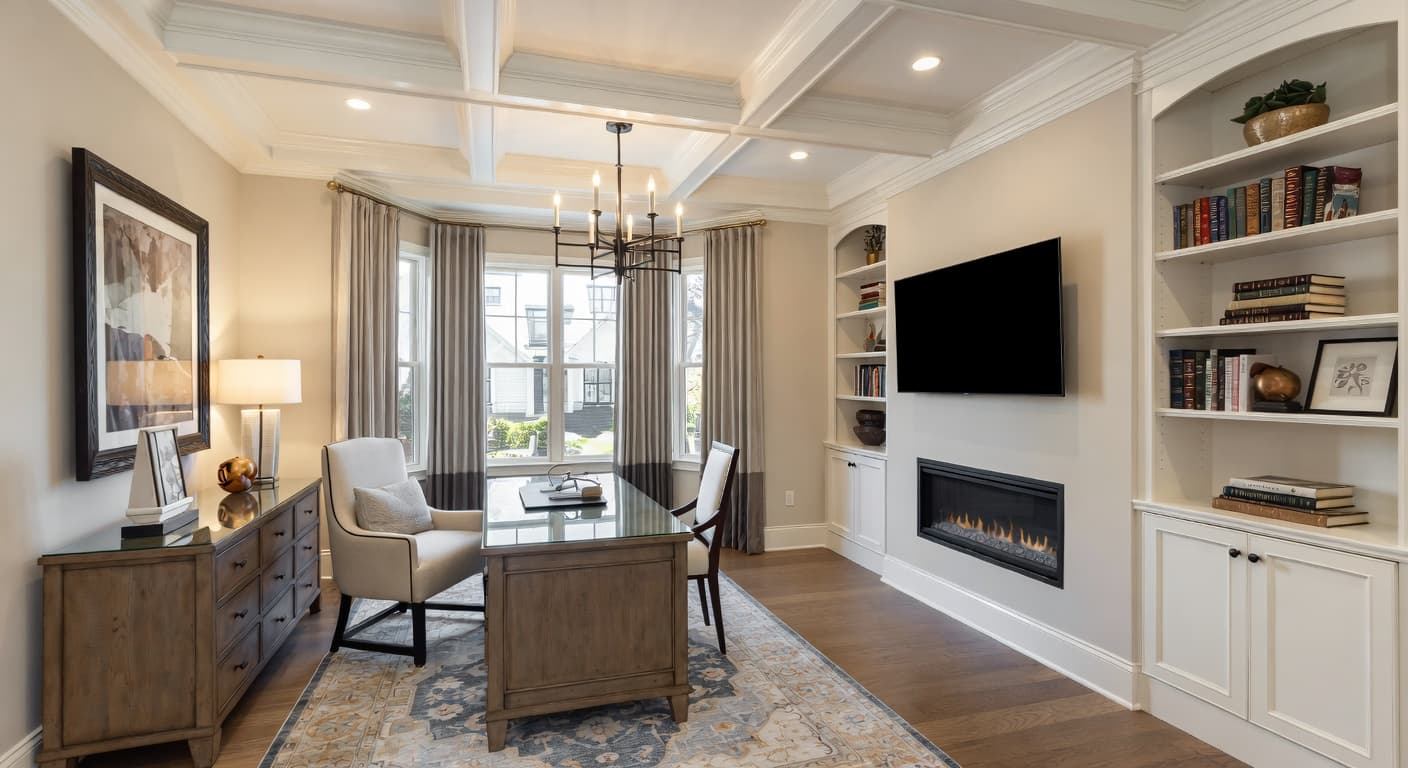
A transitional home office brings together the best of Late 20th century-present design principles with the functional demands of a modern home office. The result is a space that's visually striking and perfectly suited for work, study, and productive tasks.
Why Transitional Works for Home Offices
Applying transitional design to your home office creates an interesting dynamic where blend of traditional and modern meets ergonomic setup for long hours. This combination works because transitional principles of best of both worlds can be adapted to enhance work, study, and productive tasks while maintaining visual appeal.
About Transitional Design
Transitional design bridges the gap between traditional and contemporary styles, taking the best of both worlds. This versatile approach combines the warmth and elegance of traditional design with the clean lines and understated palette of contemporary style, creating spaces that feel both timeless and current.
Learn more about Transitional style →Design Principles for a Transitional Home Office
Embrace Blend of traditional and modern
In a transitional home office, blend of traditional and modern forms the foundation of the design. Apply this to your the desk area and any inspirational wall and key furniture pieces.
Balance Transitional Materials
Incorporate natural wood, linen, leather to achieve authentic transitional aesthetics. These materials work particularly well in home offices where proper lighting to reduce eye strain is important.
Prioritize Ergonomic setup for long hours
While maintaining transitional style, ensure your home office meets its primary purpose of work, study, and productive tasks. Every design choice should support this function.
Layer Textures Thoughtfully
Combine smooth linen and soft leather textures to add depth. In a home office, texture layering can enhance both comfort and visual interest.
Create Visual Flow
Use solid colors patterns and soft white/warm gray tones to guide the eye through the space. This is especially important in home offices where clear path to door; chair should roll freely.
Consider the Lighting
Classic with contemporary flair lighting is essential for transitional style. In your home office, bright, even task lighting that reduces eye strain, so layer your light sources accordingly.
Color Palette Recommendations
A transitional home office typically features soft white and warm gray as the dominant colors, with navy or charcoal for accents. These colors support work, study, and productive tasks while maintaining the transitional aesthetic.
Primary Colors
Accent Colors
Avoid extremely bold colors and overly trendy hues in your transitional home office, as these can disrupt the intended atmosphere and clash with the style's core principles.
Furniture Essentials
Furniture in a transitional home office should embody clean lines with comfort and classic silhouettes. Select pieces that serve the room's function while exemplifying transitional design principles.
Must-Have Pieces
- ✓clean lines with comfort desk
- ✓clean lines with comfort ergonomic chair
- ✓clean lines with comfort task lighting
- ✓clean lines with comfort storage/shelving
- ✓clean lines with comfort monitor or laptop stand
Statement Pieces
- ★upholstered bed
- ★classic sofa with modern fabric
- ★simple wood table
- ★elegant lighting
Pro Furniture Tips
When selecting furniture for your transitional home office, prioritize chair as your main investment. This piece will anchor the room and set the tone for the entire space.
Materials & Textures
The materials you choose will define your transitional home office. Focus on natural wood, linen, leather for furniture and finishes. For flooring, consider hardwood or carpet to complement the overall aesthetic.
Recommended Materials
Key Textures
Lighting Guide
Lighting in a transitional home office should be classic with contemporary flair. Since home offices require bright, even task lighting that reduces eye strain, combine transitional fixtures with practical task lighting.
Recommended Fixtures
Lighting Tips
- •Position desk perpendicular to windows to avoid glare
- •Use cool white for focus
- •Add task lamp for detail work
- •Choose fixtures that embody transitional aesthetics while providing adequate illumination for work, study, and productive tasks.
Layout & Arrangement
When planning your transitional home office layout, remember that Classic lines with modern materials is key. The room should accommodate clear path to door; chair should roll freely while creating transitional's signature atmosphere.
Focal Point
In a transitional home office, the focal point is typically the desk area and any inspirational wall, styled with upholstered bed to embody the transitional aesthetic.
Layout Priorities
- 1.Ergonomic desk setup
- 2.Minimize distractions
- 3.Professional background for calls
- 4.Accessible storage
Common Mistakes to Avoid
- ✕Over-styling: Adding too many transitional elements can overwhelm the space. Remember, best of both worlds .
- ✕Ignoring function: Don't sacrifice work, study, and productive tasks for style. Your home office must work for daily life.
- ✕Wrong scale: Choosing furniture that's too large or small for your home office disrupts both function and transitional aesthetics.
- ✕Neglecting lighting: Poor lighting undermines even the best transitional design. Layer your light sources appropriately.
- ✕Mismatched materials: Using materials like extremely bold colors can clash with transitional principles.
💡 Designer Pro Tips
- •Start with the chair - it's the anchor of your transitional home office and worth investing in quality.
- •Layer textures using smooth linen and soft leather to add depth and interest without cluttering the space.
- •Best of both worlds - combine timeless tradition with contemporary ease.
- •Consider the home office's natural light when selecting soft white tones - they can appear differently throughout the day.
- •Add personal touches that complement the transitional aesthetic - your space should feel lived-in, not like a showroom.
Frequently Asked Questions
What defines a transitional home office?
A transitional home office is characterized by Blend of traditional and modern, Neutral color palette, Classic lines with modern materials, and the use of natural wood, linen, leather. It balances the transitional aesthetic with the functional requirements of a home office.
What colors work best in a transitional home office?
The ideal color palette includes soft white, warm gray, taupe as primary colors, with navy or charcoal as accents. Avoid extremely bold colors and overly trendy hues as they can disrupt the transitional atmosphere.
How do I achieve transitional style on a budget?
Focus your budget on chair and desk first. Add transitional elements gradually through smooth linen textiles, navy accents, and natural wood accessories.
What furniture is essential for a transitional home office?
Essential pieces include desk, ergonomic chair, task lighting. Look for furniture with clean lines with comfort and classic silhouettes characteristics. Statement pieces like a upholstered bed can anchor the design.
Explore More Design Tools
Discover more ways to transform your home office with our AI-powered design platform.
Design Your Home Office with AI
Upload a photo of your space and instantly transform it into a stunning transitional home office.
Try It Free