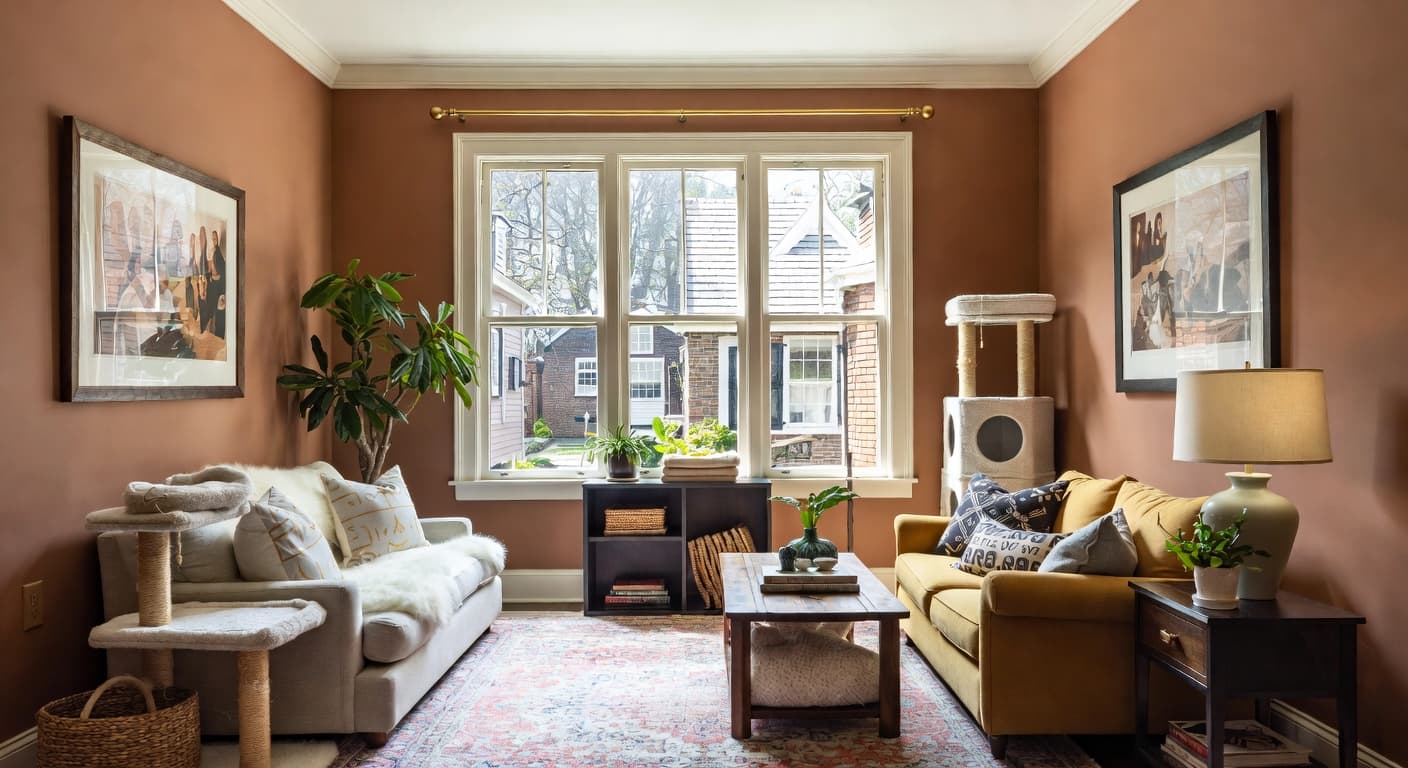
Creating Your Perfect Dutch Colonial Pet Room
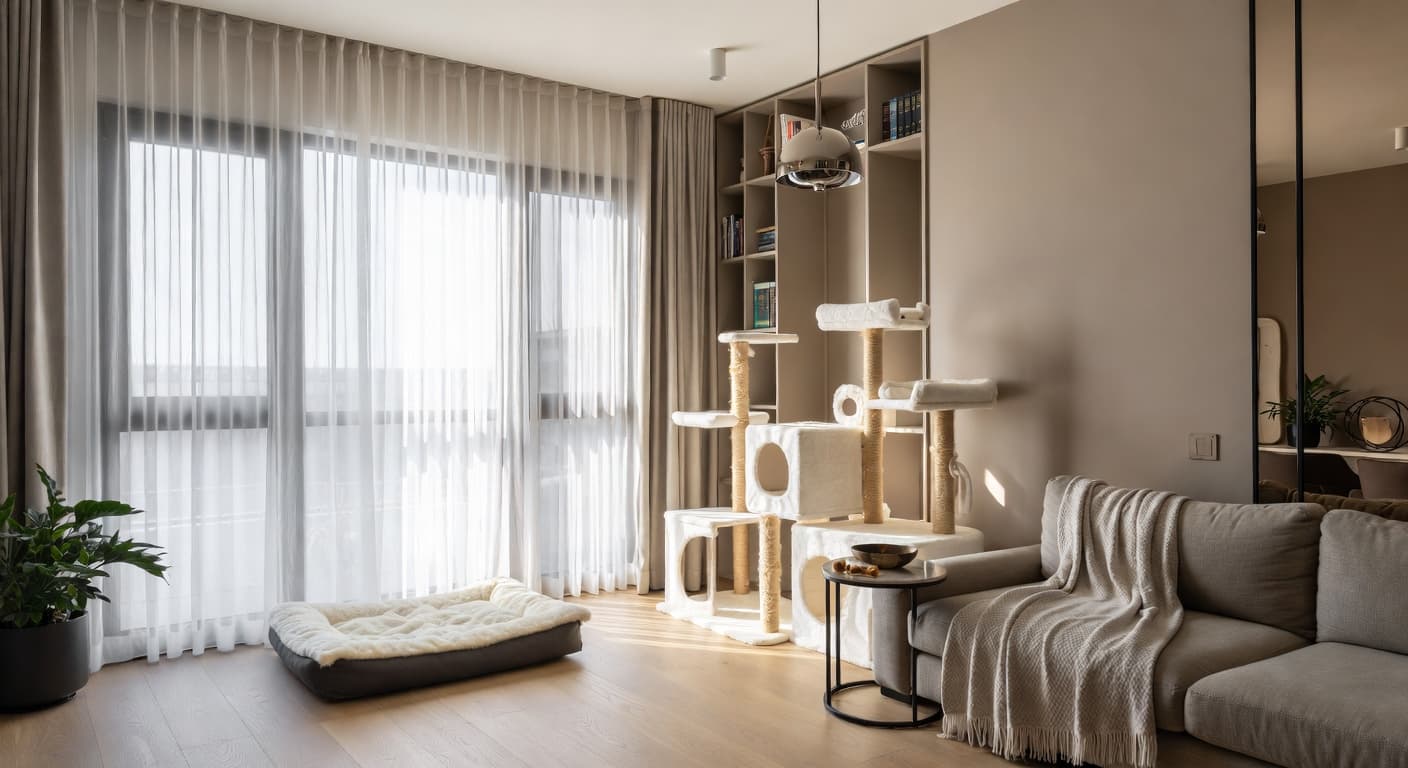
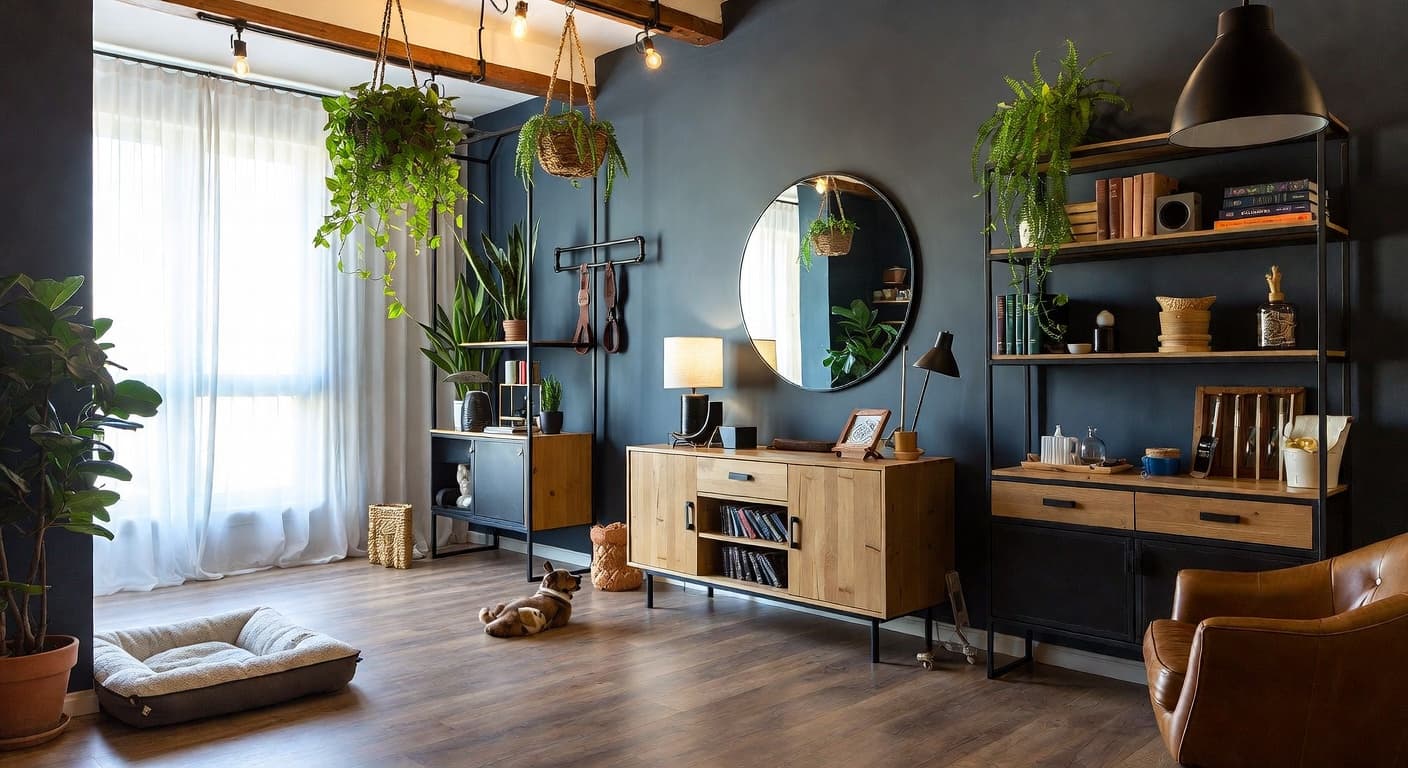
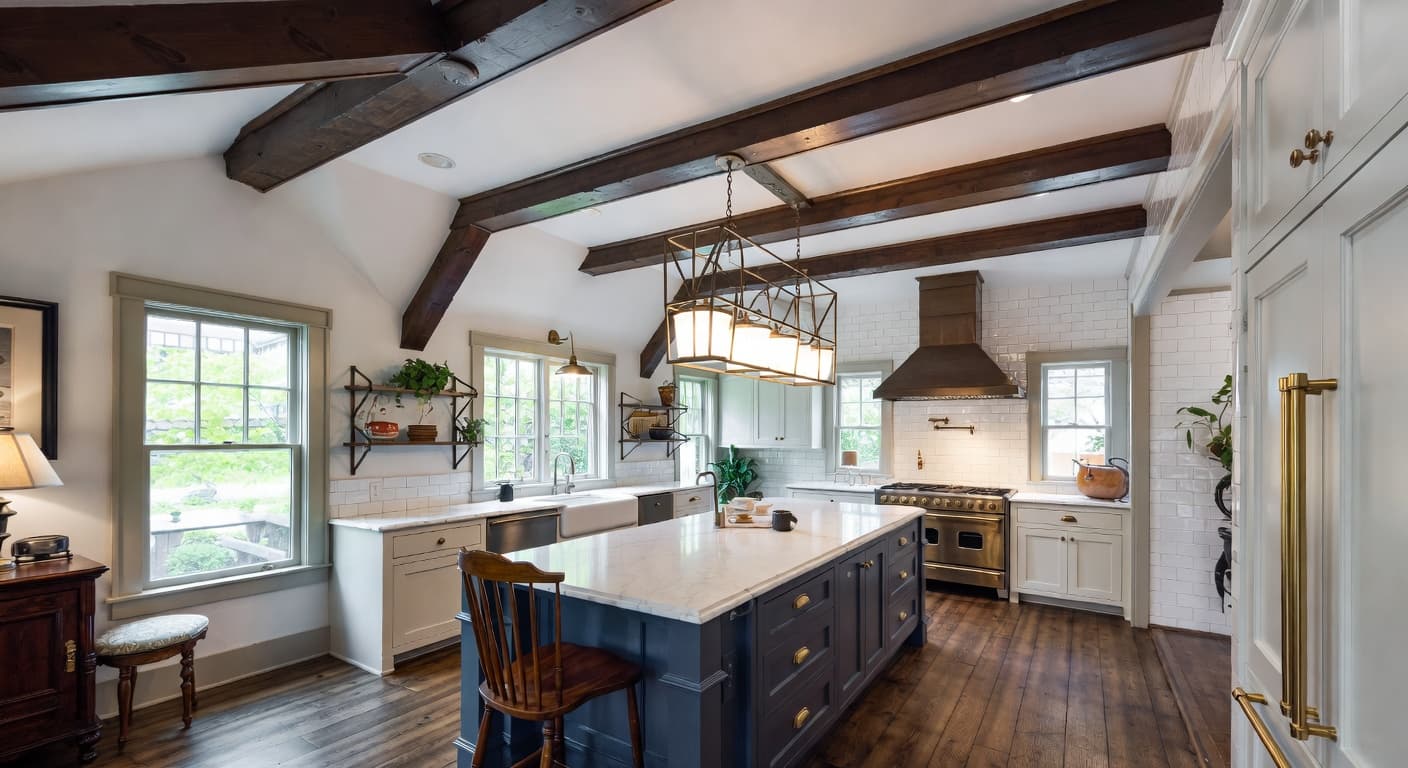
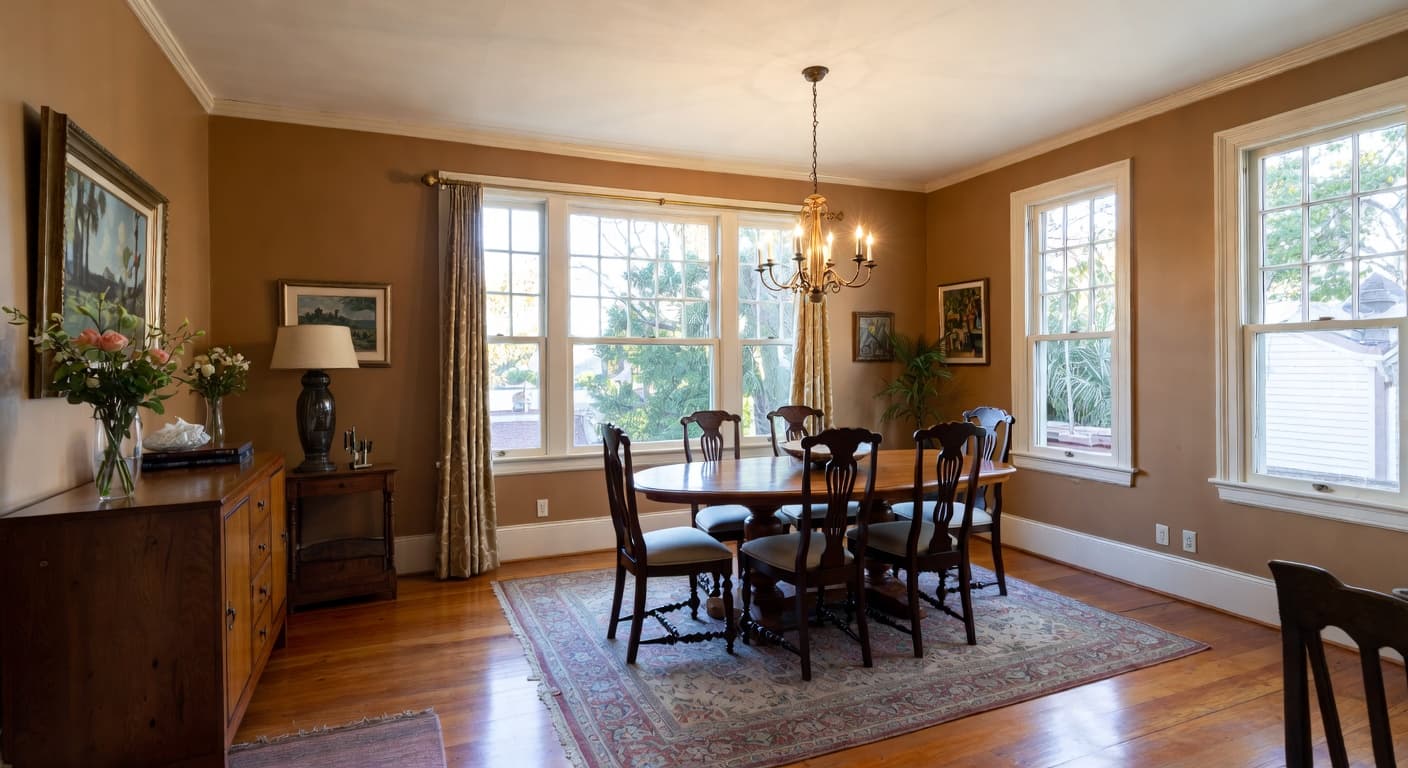
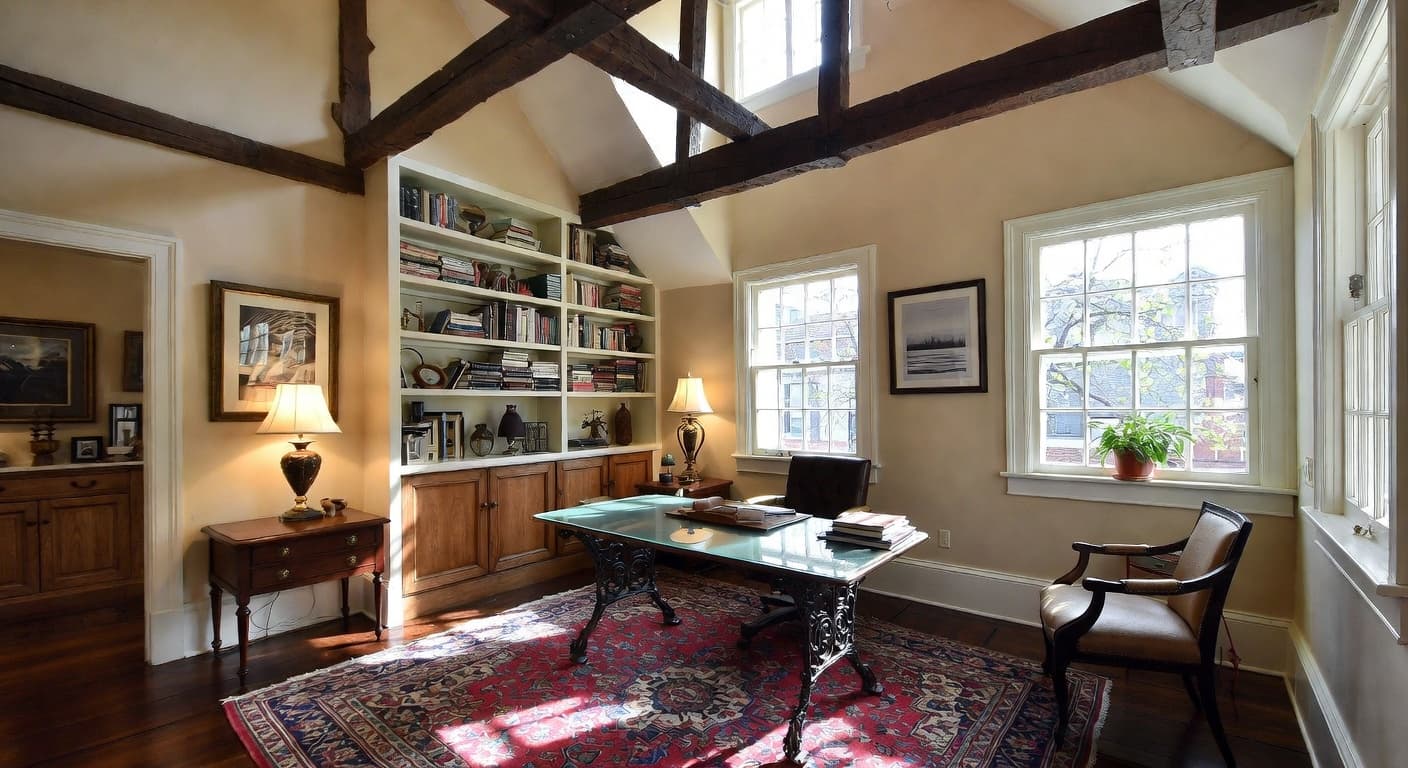
A dutch colonial pet room brings together the best of 17th-18th century, American adaptations design principles with the functional demands of a modern pet room. The result is a space that's visually striking and perfectly suited for pet feeding, grooming, sleeping, and supply storage.
Why Dutch Colonial Works for Pet Rooms
Applying dutch colonial design to your pet room creates an interesting dynamic where gambrel roof influence meets durable, easy-clean surfaces. This combination works because dutch colonial principles of blend european refinement with american practicality can be adapted to enhance pet feeding, grooming, sleeping, and supply storage while maintaining visual appeal.
Design Principles for a Dutch Colonial Pet Room
Embrace Gambrel roof influence
In a dutch colonial pet room, gambrel roof influence forms the foundation of the design. Apply this to your comfortable pet sleeping area or feeding station and key furniture pieces.
Balance Dutch Colonial Materials
Incorporate wide plank wood, brick, stone to achieve authentic dutch colonial aesthetics. These materials work particularly well in pet rooms where pet safety and comfort is important.
Prioritize Durable, easy-clean surfaces
While maintaining dutch colonial style, ensure your pet room meets its primary purpose of pet feeding, grooming, sleeping, and supply storage. Every design choice should support this function.
Layer Textures Thoughtfully
Combine wide plank wood and hand-plastered walls textures to add depth. In a pet room, texture layering can enhance both comfort and visual interest.
Create Visual Flow
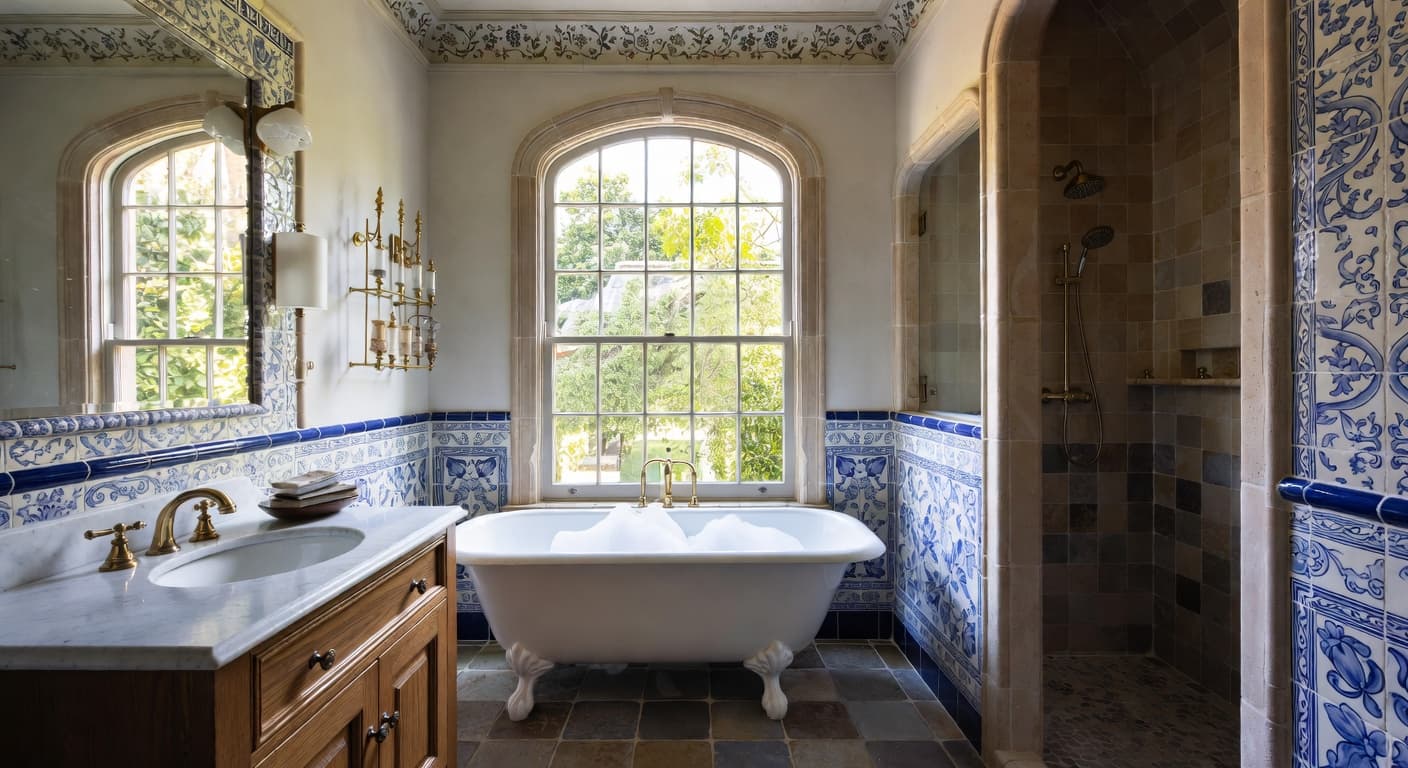
Use delft tiles patterns and cream/colonial blue tones to guide the eye through the space. This is especially important in pet rooms where allow room for pets to move comfortably; easy human access for cleaning.
Consider the Lighting
Traditional and functional lighting is essential for dutch colonial style. In your pet room, bright lighting for grooming and cleaning, so layer your light sources accordingly.
Color Palette Recommendations
A dutch colonial pet room typically features cream and colonial blue as the dominant colors, with delft blue or ochre for accents. These colors support pet feeding, grooming, sleeping, and supply storage while maintaining the dutch colonial aesthetic.
Primary Colors
Accent Colors
Avoid bright modern colors and pastels in your dutch colonial pet room, as these can disrupt the intended atmosphere and clash with the style's core principles.
Furniture Essentials
Furniture in a dutch colonial pet room should embody sturdy construction and European influence. Select pieces that serve the room's function while exemplifying dutch colonial design principles.
Must-Have Pieces
- ✓sturdy construction feeding station
- ✓sturdy construction pet bed or crate
- ✓sturdy construction storage for supplies
- ✓sturdy construction easy-clean flooring
Statement Pieces
- ★kas (Dutch armoire)
- ★rush-seat chairs
- ★gateleg table
- ★settle bench
Pro Furniture Tips
When selecting furniture for your dutch colonial pet room, prioritize durable flooring as your main investment. This piece will anchor the room and set the tone for the entire space.
Materials & Textures
The materials you choose will define your dutch colonial pet room. Focus on wide plank wood, brick, stone for furniture and finishes. For flooring, consider luxury vinyl or tile to complement the overall aesthetic.
Recommended Materials
Key Textures
Lighting Guide
Lighting in a dutch colonial pet room should be traditional and functional. Since pet rooms require bright lighting for grooming and cleaning, combine dutch colonial fixtures with practical task lighting.
Recommended Fixtures
Lighting Tips
- •Use bright light for grooming tasks
- •Install waterproof fixtures near wash area
- •Add nightlight for late-night pet needs
- •Choose fixtures that embody dutch colonial aesthetics while providing adequate illumination for pet feeding, grooming, sleeping, and supply storage.
Layout & Arrangement
When planning your dutch colonial pet room layout, remember that Dutch doors is key. The room should accommodate allow room for pets to move comfortably; easy human access for cleaning while creating dutch colonial's signature atmosphere.
Focal Point
In a dutch colonial pet room, the focal point is typically comfortable pet sleeping area or feeding station, styled with kas (Dutch armoire) to embody the dutch colonial aesthetic.
Layout Priorities
- 1.Feeding area separate from bathroom
- 2.Easy-clean zones
- 3.Pet comfort space
- 4.Supply accessibility
Common Mistakes to Avoid
- ✕Over-styling: Adding too many dutch colonial elements can overwhelm the space. Remember, blend european refinement with american practicality .
- ✕Ignoring function: Don't sacrifice pet feeding, grooming, sleeping, and supply storage for style. Your pet room must work for daily life.
- ✕Wrong scale: Choosing furniture that's too large or small for your pet room disrupts both function and dutch colonial aesthetics.
- ✕Neglecting lighting: Poor lighting undermines even the best dutch colonial design. Layer your light sources appropriately.
- ✕Mismatched materials: Using materials like bright modern colors can clash with dutch colonial principles.
💡 Designer Pro Tips
- •Start with the durable flooring - it's the anchor of your dutch colonial pet room and worth investing in quality.
- •Layer textures using wide plank wood and hand-plastered walls to add depth and interest without cluttering the space.
- •Blend European refinement with American practicality - create sturdy, elegant spaces.
- •Consider the pet room's natural light when selecting cream tones - they can appear differently throughout the day.
- •Add personal touches that complement the dutch colonial aesthetic - your space should feel lived-in, not like a showroom.
Frequently Asked Questions
What defines a dutch colonial pet room?
A dutch colonial pet room is characterized by Gambrel roof influence, Wide plank floors, Dutch doors, and the use of wide plank wood, brick, stone. It balances the dutch colonial aesthetic with the functional requirements of a pet room.
What colors work best in a dutch colonial pet room?
The ideal color palette includes cream, colonial blue, brick red as primary colors, with delft blue or ochre as accents. Avoid bright modern colors and pastels as they can disrupt the dutch colonial atmosphere.
How do I achieve dutch colonial style on a budget?
Focus your budget on durable flooring and storage solutions first. Add dutch colonial elements gradually through wide plank wood textiles, delft blue accents, and wide plank wood accessories.
What furniture is essential for a dutch colonial pet room?
Essential pieces include feeding station, pet bed or crate, storage for supplies. Look for furniture with sturdy construction and European influence characteristics. Statement pieces like a kas (Dutch armoire) can anchor the design.
Explore More Design Tools
Discover more ways to transform your pet room with our AI-powered design platform.
Design Your Pet Room with AI
Upload a photo of your space and instantly transform it into a stunning dutch colonial pet room.
Try It Free