Interior Design Trends 2026: What's In and What's Out
The definitive guide to interior design trends 2026. Warm minimalism, Japandi, biophilic design, and 5 more styles shaping homes this year — plus what's fading fast.
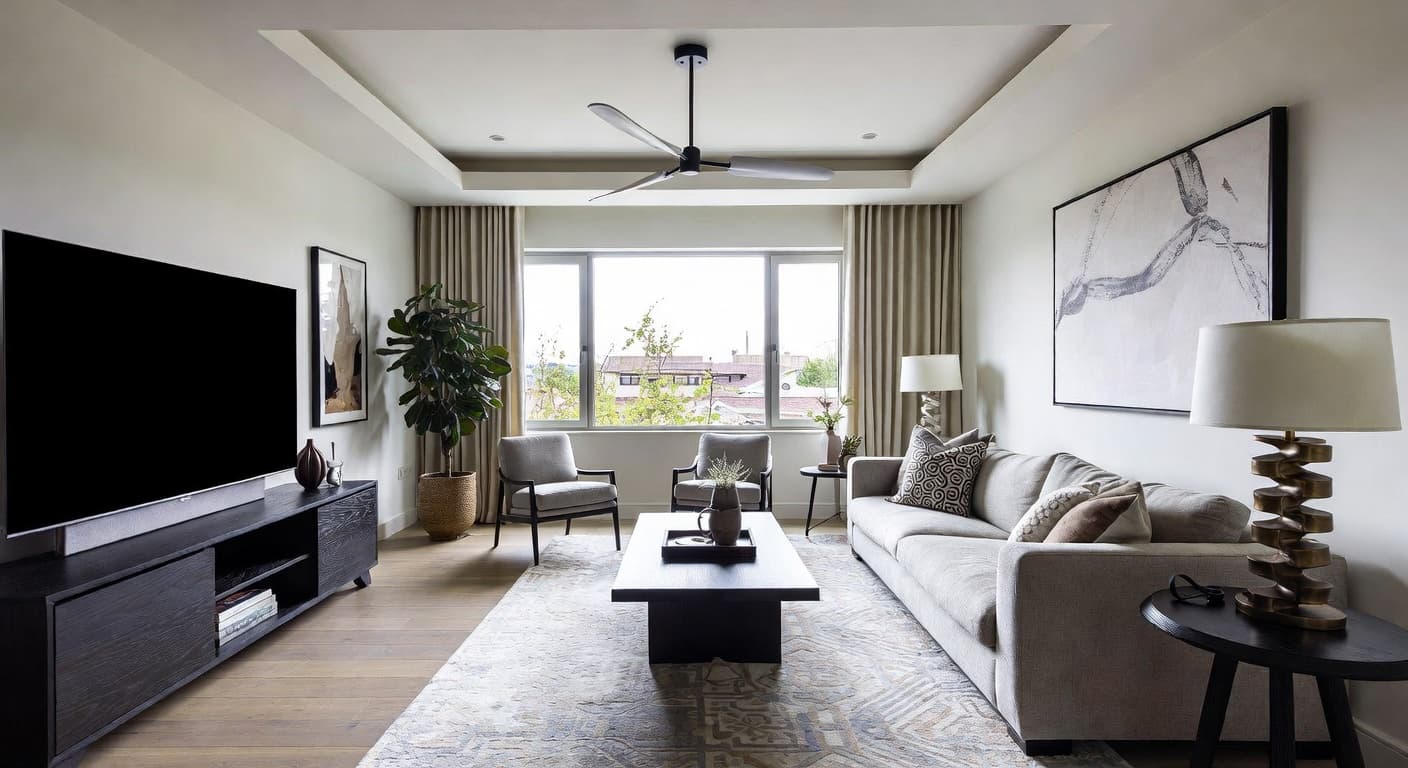
The interior design trends 2026 share one unmistakable thread: people want homes that feel human. After years of sterile white boxes, algorithm-friendly staging, and furniture that looks better in photos than in real life, the pendulum has swung hard toward warmth, natural materials, and rooms that actually work for the people living in them. This year's trending styles reward intentionality over Instagram perfection — and the shift is long overdue.
Here's what's defining residential design right now, what's on the way out, and how you can test any of these directions in your own space before spending a dollar.
What's In: 8 Interior Design Trends 2026
These eight styles are dominating designer portfolios, shelter magazines, and real renovation projects this year. They range from minimalist to maximalist, but they all share an emphasis on tactile materials, lived-in comfort, and design with purpose.
1. Warm Minimalism
Warm minimalism is the single biggest interior design trend of 2026. It takes the clean lines and edited approach of traditional minimalism but swaps the cold, clinical palette for earthy tones, organic textures, and soft curves. Think plaster walls instead of bright white paint. Linen instead of leather. Travertine instead of marble.
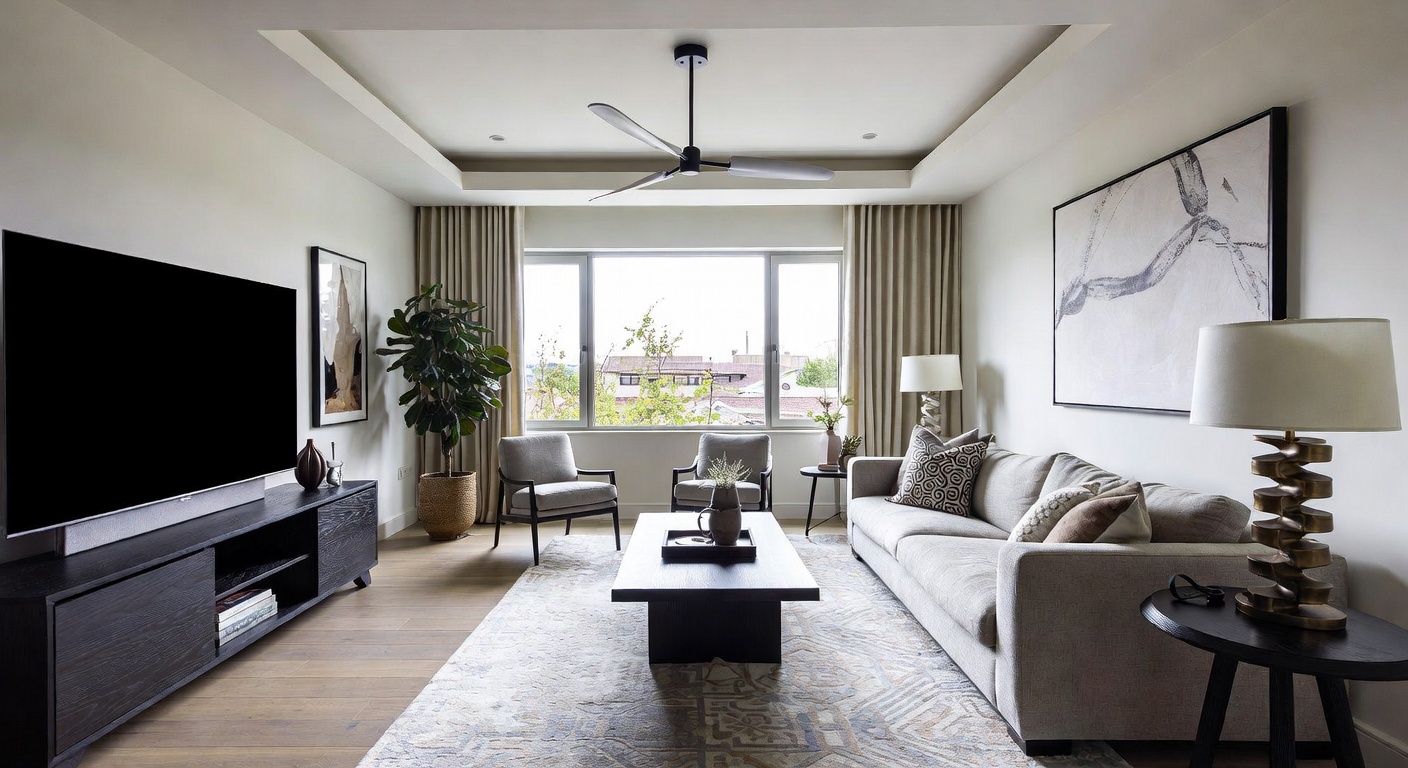
The style works because it solves the biggest complaint about minimalism: it felt empty. Warm minimalism feels calm without feeling barren. Rooms have fewer objects, but each one has visible texture and material quality.
Where it works best: Living rooms and bedrooms, where the goal is relaxation over stimulation. It's especially effective in open-plan spaces where a restrained palette keeps the visual noise down.
Key elements: Limewash or plaster-effect walls in warm whites and taupes. Rounded furniture with soft upholstery. Natural stone, raw wood, and handmade ceramics. Layered neutral textiles — boucle, linen, wool. Explore all the ways to achieve this look with over 100 design styles available on our platform, including warm minimalism variations for every room type.
2. Japandi
Japandi — the fusion of Japanese and Scandinavian design — entered the mainstream a few years ago, but it's still gaining momentum in 2026. The reason is practical: it's one of the most livable styles ever created. Japanese principles of wabi-sabi imperfection meet Scandinavian functionality, producing rooms that are beautiful, organized, and comfortable.
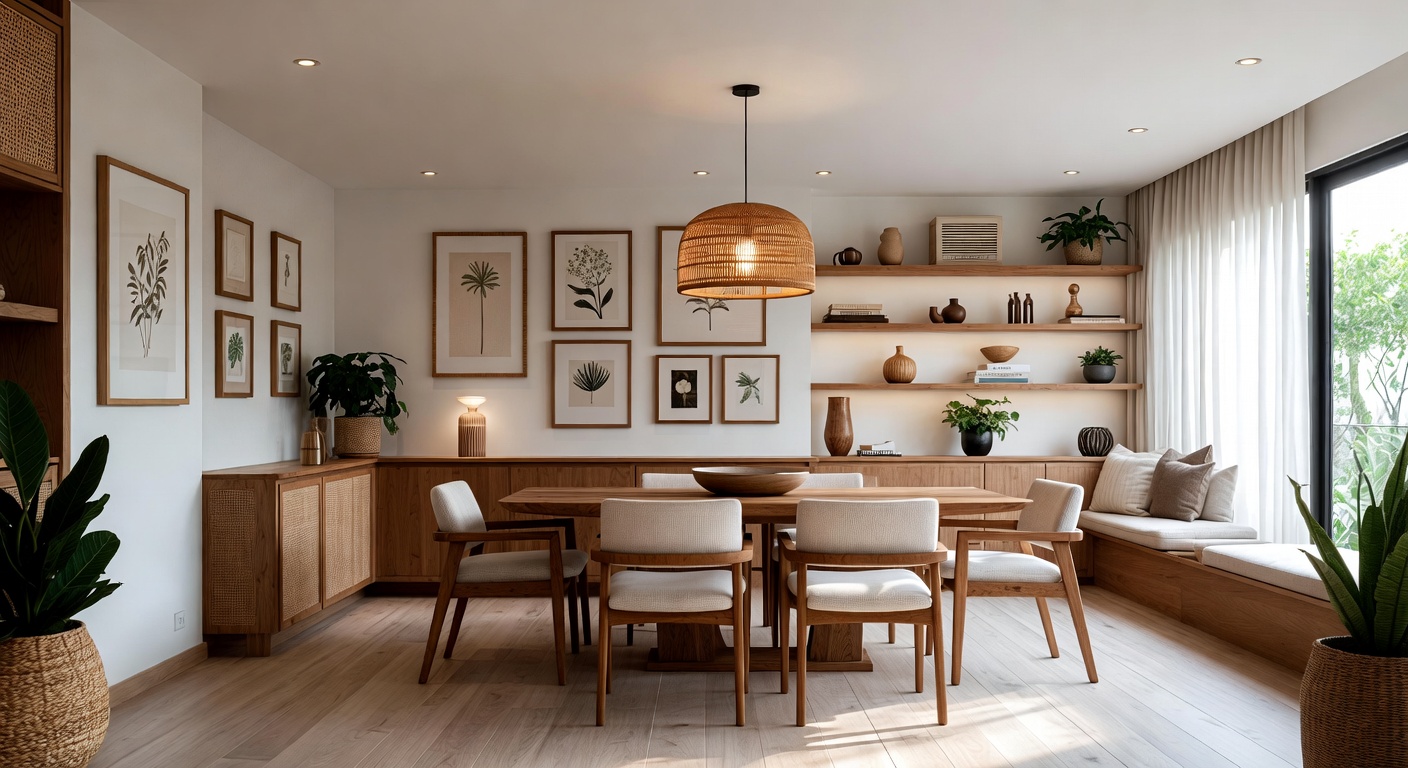
What separates 2026 Japandi from earlier versions is a deeper commitment to authentic craftsmanship. Mass-produced "Japandi-inspired" furniture from fast-furniture retailers is being replaced by handmade pottery, joinery-style wood furniture, and textiles with visible weave. The style rewards patience and quality over quick assembly.
Where it works best: Dining rooms, home offices, and bedrooms. Anywhere you want focus and calm without coldness. See how Japandi transforms a living room when applied to a real space.
Key elements: Light-to-medium wood tones (ash, oak, maple). Low-profile furniture. Wabi-sabi ceramics and objects with visible handcraft. Shoji-inspired screens or room dividers. Muted greens, warm grays, and off-whites.
3. Biophilic Design
Biophilic design goes far beyond adding a few houseplants. It's a systematic approach to bringing nature indoors — through materials, light, views, patterns, and spatial design. In 2026, biophilic principles are being applied to everything from apartment bathrooms to corporate offices.
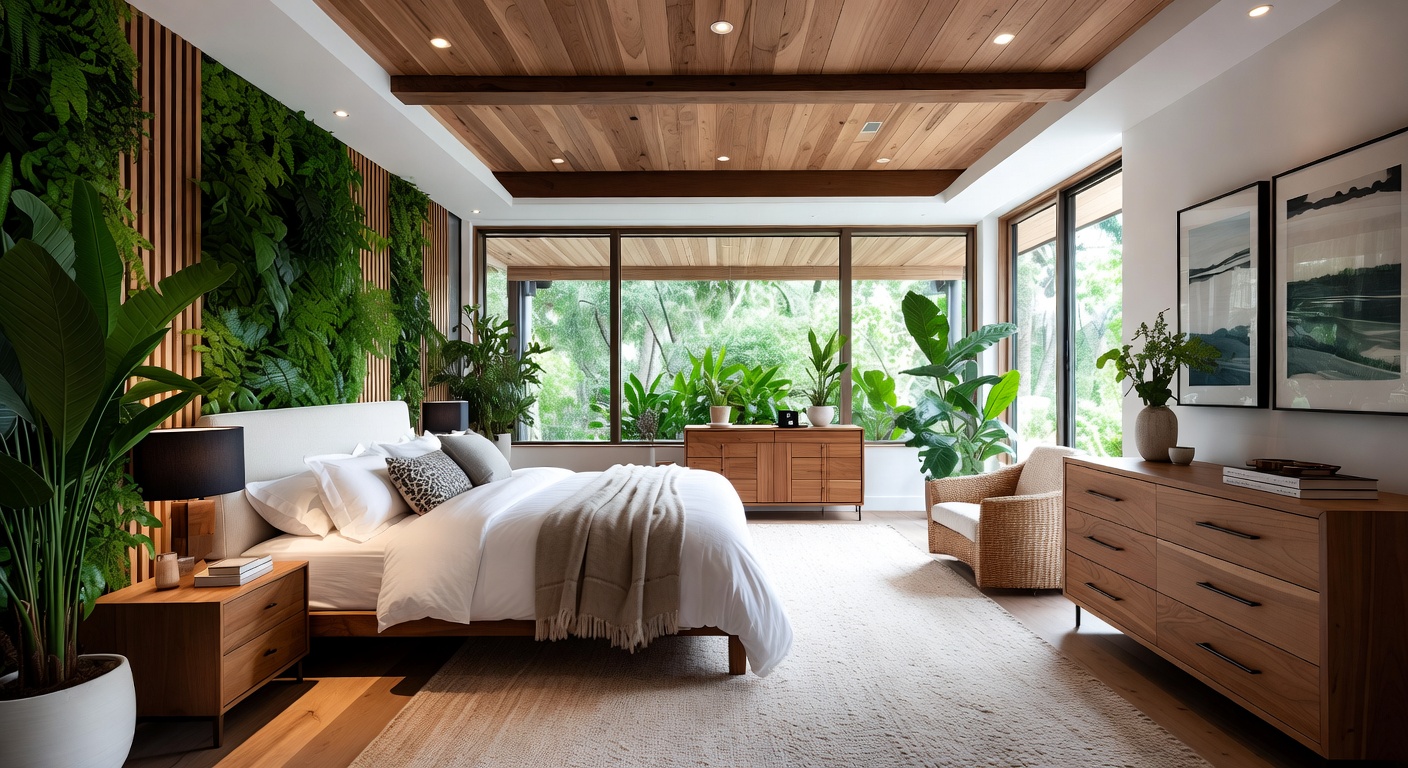
The science backs this up. Research consistently shows that rooms with natural elements reduce stress hormones, improve concentration, and promote better sleep. Designers are responding with living walls, natural stone accent walls, water features, and rooms oriented to maximize daylight.
Where it works best: Bedrooms and home offices benefit the most. A biophilic bedroom can measurably improve sleep quality, while biophilic offices boost productivity.
Key elements: Living plants as architectural features (not just decorations). Untreated wood, stone, and clay. Large windows or skylights. Nature-inspired color palettes — greens, browns, earth tones. Organic shapes in furniture and fixtures. Learn more about the principles behind this approach in our biophilic design glossary entry.
4. Dark Academia
Dark academia is 2026's answer to the bright, airy aesthetic that dominated the last decade. It embraces rich, moody tones — deep greens, burgundy, chocolate brown, navy — paired with vintage furnishings, libraries of real books, and warm ambient lighting. The vibe is a well-worn Oxford study or a Parisian literary salon.
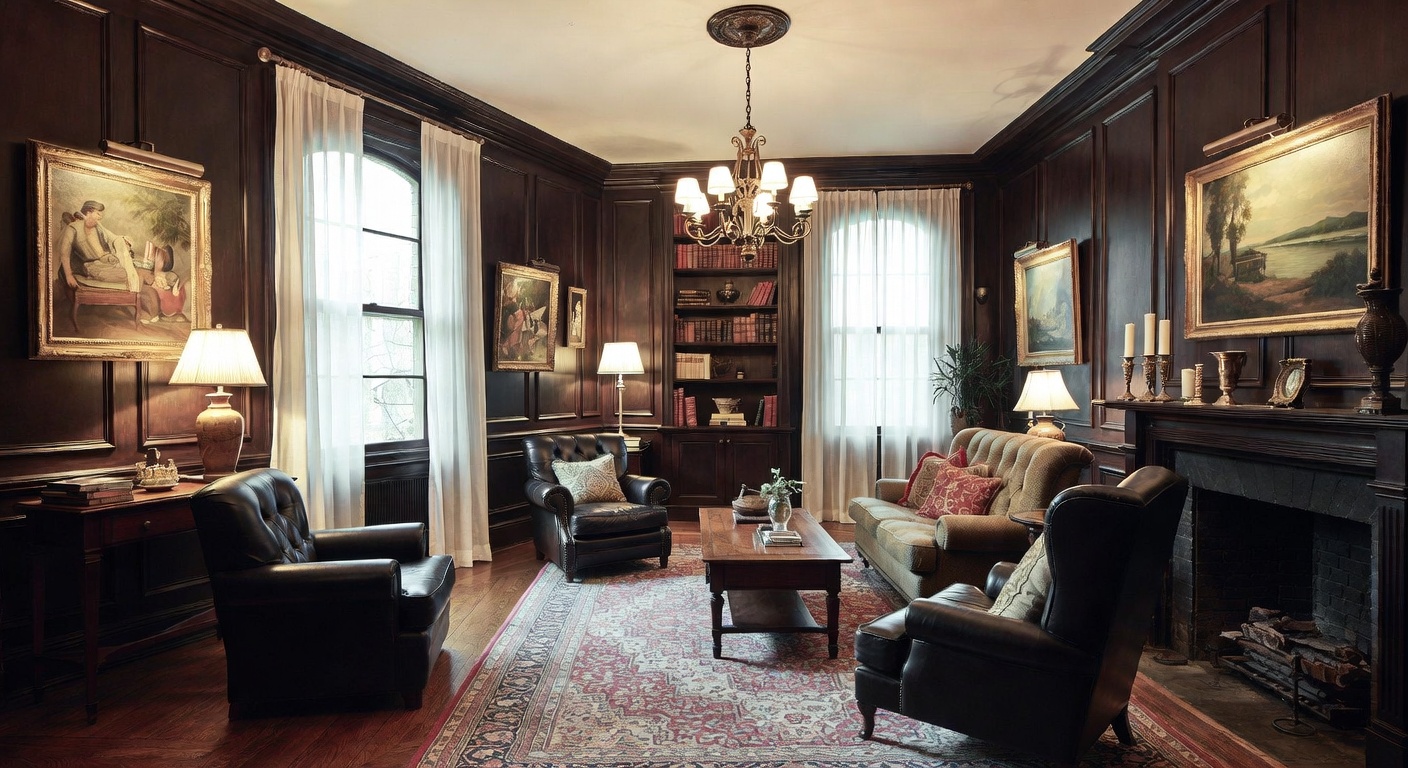
This style resonates with a generation that values intellectual depth and personal curation over minimalist perfection. It's maximalist, but disciplined — every object tells a story or serves a function within the overall narrative.
Where it works best: Living rooms, home offices, and reading nooks. It's particularly striking in rooms with high ceilings, wood paneling, or architectural molding. Even modern apartments can pull it off with the right paint colors and furniture choices.
Key elements: Dark, saturated wall colors. Leather seating (aged or distressed preferred). Wood bookshelves filled with actual books. Brass or bronze hardware and lighting. Vintage maps, botanical prints, or oil paintings. Persian or Oriental rugs over hardwood.
5. Organic Modern
Organic modern blends the simplicity of modern design with the warmth and irregularity of natural forms. Where standard modern design favors sharp angles and geometric precision, organic modern introduces curves, asymmetry, and materials that show their origins — live-edge wood, unglazed ceramic, raw linen.
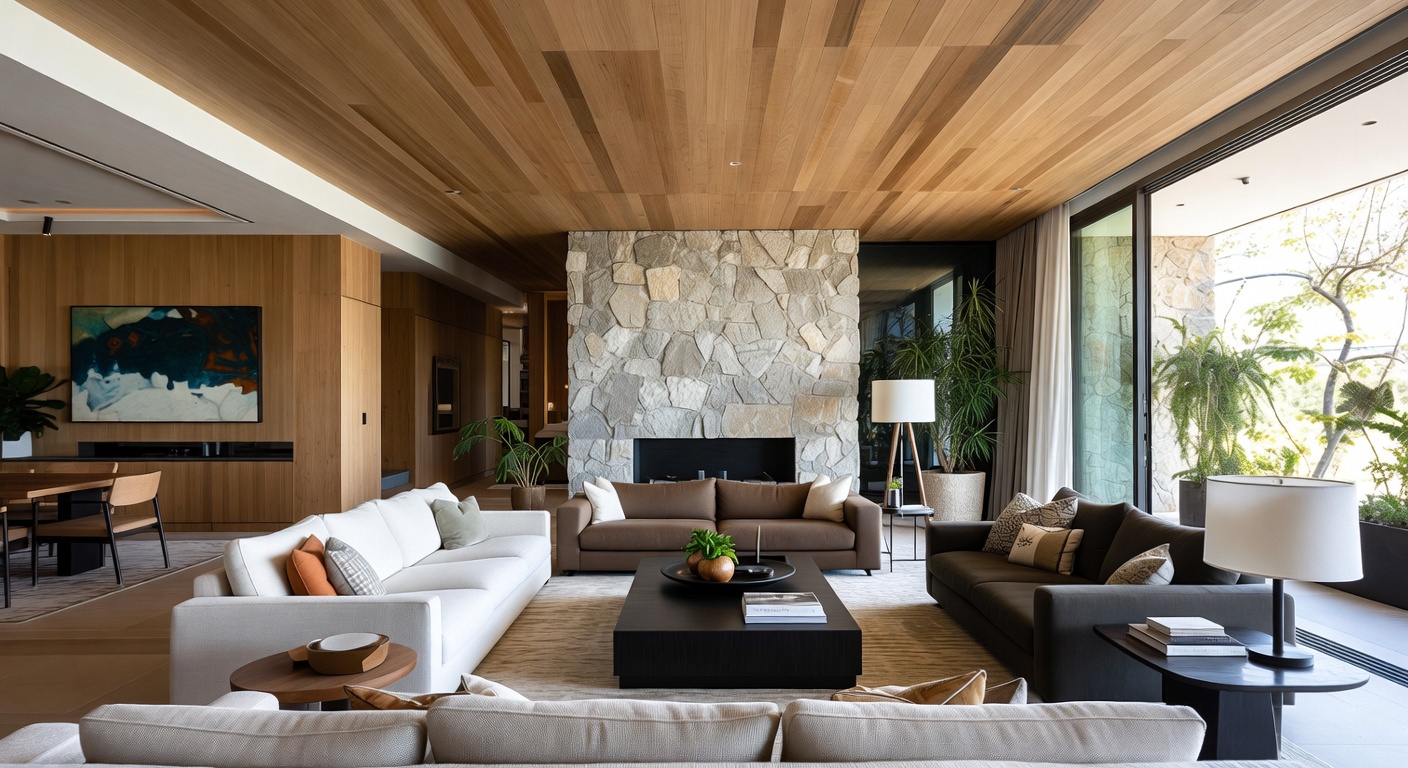
It's the design equivalent of choosing a hand-thrown bowl over a factory-perfect one. In 2026, organic modern is showing up heavily in high-end residential design because it photographs well while still feeling genuinely comfortable — a rare combination.
Where it works best: Open-plan living and dining areas where sculptural furniture can breathe. It also translates beautifully to entryways and hallways where a single organic piece — a curved console, a sculptural mirror — makes an immediate statement. Preview the results with our AI interior design tool before committing to any furniture purchases.
Key elements: Curved sofas, arched doorways, rounded mirrors. Natural and undyed fabrics. Live-edge or reclaimed wood tables. Sculptural lighting in organic shapes. Earth-toned palette with occasional stone gray or terracotta accents.
6. Wabi-Sabi
Wabi-sabi is the Japanese aesthetic philosophy that finds beauty in imperfection, impermanence, and incompleteness. In interior design, it translates to rooms that embrace patina, asymmetry, and visible age. Chipped pottery becomes more beautiful, not less. A crack in a plaster wall tells a story.
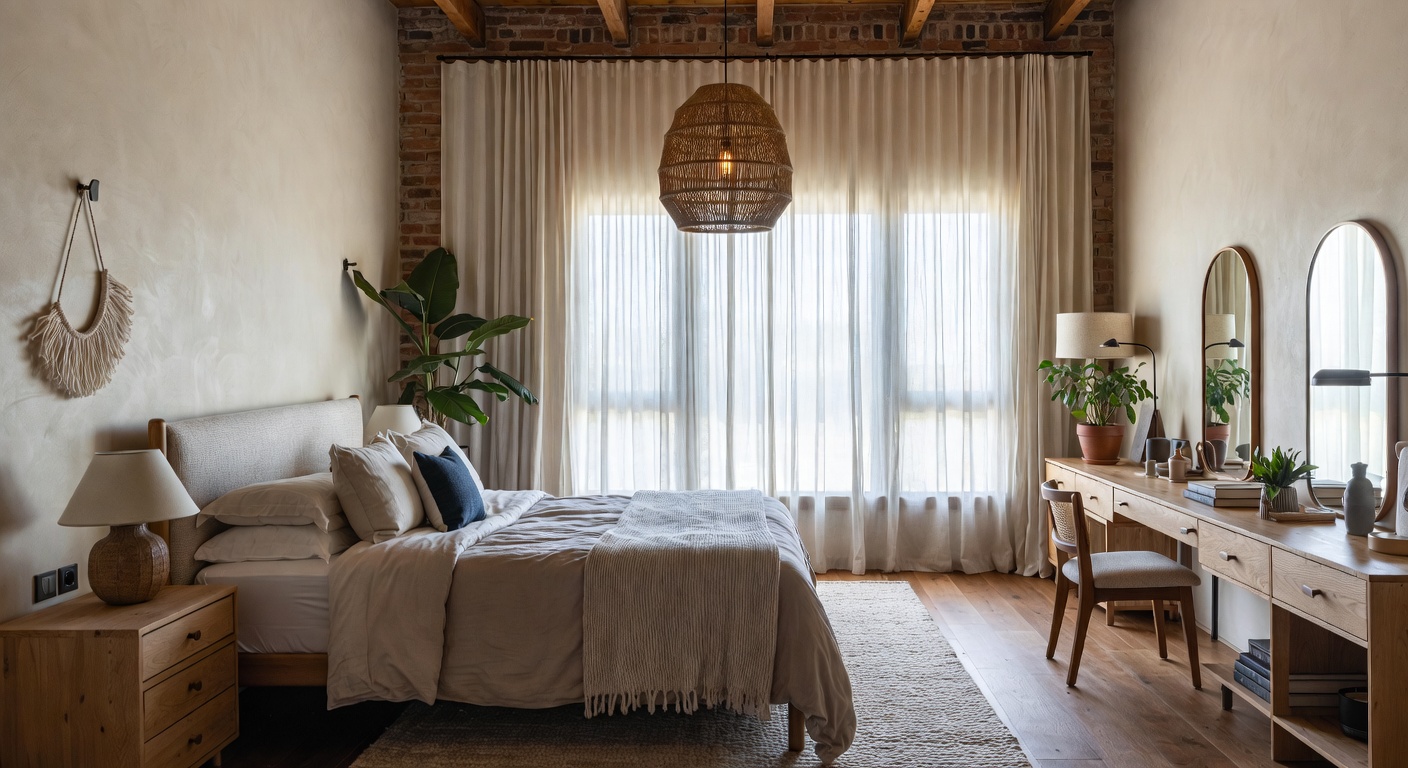
In 2026, wabi-sabi has moved from a niche philosophical concept to a practical antidote to perfectionism in home design. Homeowners are tired of replacing things the moment they show wear. Wabi-sabi gives them permission to let their home age gracefully.
Where it works best: Bedrooms, bathrooms, and any intimate space where the goal is serenity. It pairs naturally with Japandi and warm minimalism, making it easy to blend with other 2026 trends.
Key elements: Raw, unfinished surfaces — plaster, concrete, untreated wood. Handmade ceramics with visible irregularities. Linen and cotton in undyed or natural tones. Minimal decor with each piece chosen for meaning. Soft, diffused lighting. No glossy finishes.
7. Cottagecore
Cottagecore romanticizes rural living — floral prints, handmade textiles, open shelving filled with mismatched dishes, and the warmth of a farmhouse kitchen that's actually used for cooking. In 2026, the style has matured past its social media origins into a legitimate design direction.
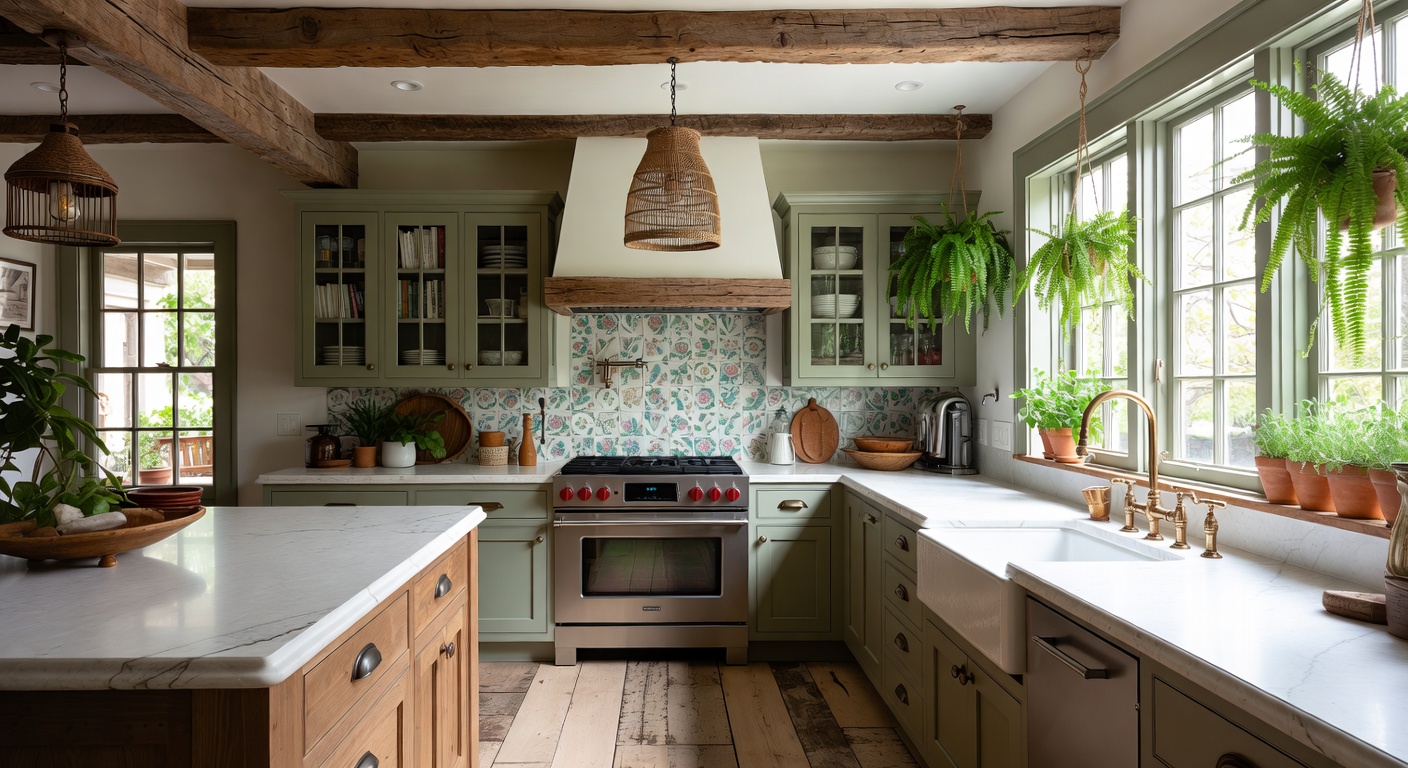
What distinguishes 2026 cottagecore from the earlier, more costume-like versions is restraint. Designers are editing the look — keeping the warmth and handmade quality while dropping the over-the-top maximalism. The result feels like a well-loved English country home, not a themed Airbnb.
Where it works best: Kitchens and dining rooms. The AI kitchen design tool is a fast way to see how cottagecore translates to your actual kitchen layout. It also works beautifully in bedrooms and guest rooms where coziness is the priority.
Key elements: Floral and botanical patterns (curtains, cushions, wallpaper). Open shelving displaying ceramics and cookware. Natural wood in lighter tones — pine, birch, whitewashed oak. Vintage or vintage-inspired hardware. Fresh or dried flowers as a permanent fixture.
8. New Traditional
New traditional takes classical design vocabulary — crown molding, symmetry, formal furniture arrangements, rich fabrics — and updates it for modern living. The proportions are classic, but the execution is fresher: cleaner lines, less ornate detailing, and a willingness to mix eras.
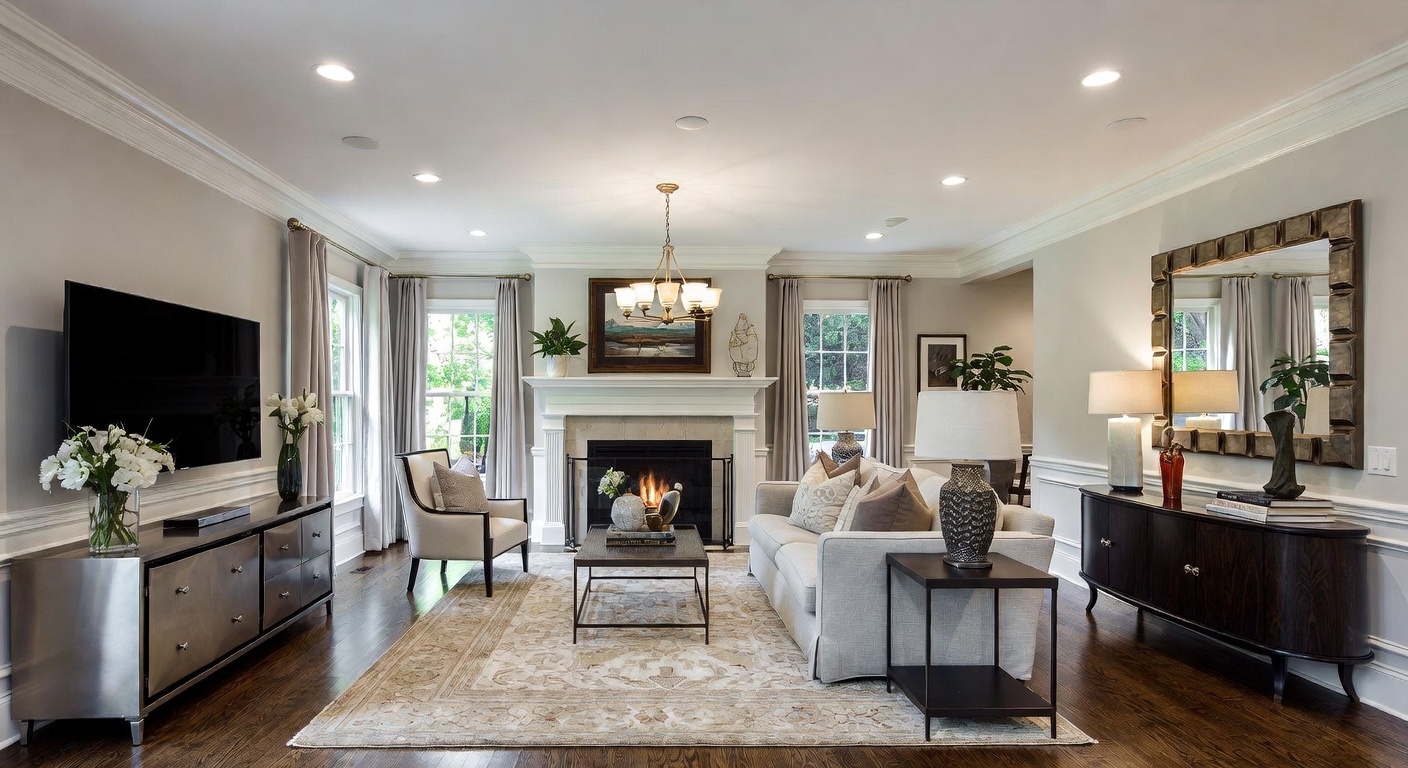
This style is growing fast in 2026 because an entire generation of homeowners is discovering that their parents and grandparents were right about a few things. Well-made traditional furniture lasts decades. Symmetrical rooms feel balanced. Quality materials age better than trendy ones.
Where it works best: Living rooms, dining rooms, and primary bedrooms. Rooms with existing architectural details — wainscoting, built-in shelving, fireplaces — are natural fits. But even rooms without those bones can achieve the look through furniture arrangement and textile choices. Check out room makeover ideas for practical approaches to transitioning your space.
Key elements: Symmetrical furniture layouts. Tailored upholstery in quality fabrics (velvet, wool, silk blends). Classic patterns updated with modern colors — think plaid in dusty rose instead of hunter green. Well-proportioned case goods in dark or medium wood. Art in proper frames, not just leaned against walls.
What's Out in 2026
Not every recent trend has staying power. These five design directions are losing ground fast.
All-White Minimalism
The era of sterile white walls, white sofas, white rugs, and white kitchens is ending. It photographed beautifully but was impossible to live in — especially with children, pets, or any actual daily use. Warm minimalism has taken everything good about minimalism and made it livable.
The Gray Everything Era
Gray walls, gray floors, gray countertops, gray furniture. For about five years, gray was treated as a neutral when it's actually a cool, flat color that drains warmth from a room. Designers are replacing it with warm beiges, taupes, mushroom tones, and terracotta — colors that respond to natural light instead of fighting it.
Open Shelving Fatigue
Open kitchen shelving looked great in styled photos but created a permanent obligation to keep everything display-worthy. Most homeowners are returning to closed cabinetry with glass-front accents, getting the best of both worlds — some visual interest without the constant pressure to curate.
Purely Decorative Over Functional
Accent chairs nobody sits in. Coffee table books nobody reads. Throw pillows that get tossed on the floor every night. In 2026, the design world is rejecting objects that exist purely for appearance. Every piece should be used, sat in, read, or interacted with. If it's only there for the photo, it's out.
Fast-Furniture Aesthetic
Flat-pack furniture with paper-thin veneers and wobbly joinery had its moment. Rising awareness of environmental impact and the cost of constantly replacing disposable furniture has pushed homeowners toward fewer, better pieces that last. This aligns perfectly with wabi-sabi, warm minimalism, and new traditional — all styles that reward quality over quantity.
How to Test These Trends Before Committing
Redesigning a room based on a trend you've only seen in magazine photos is risky. The style that looks perfect in a Parisian loft might feel completely wrong in your suburban ranch house. The colors that work in a north-facing London flat may fall flat in a sun-drenched Arizona living room.
This is where AI interior design becomes genuinely useful. Upload a photo of your actual room, select any of the styles above — warm minimalism, Japandi, dark academia, or any of 100+ design styles — and get a photorealistic preview of how that style looks in your specific space. Our AI preserves your room's dimensions, windows, natural light, and layout while transforming the furnishings, materials, and color palette.
The practical value is straightforward: you can test five different 2026 trends on your living room in five minutes, then make decisions based on what actually works rather than what looked good on someone else's Pinterest board.
You can go further by using style fusion to combine trends — warm minimalism with biophilic elements, for example, or Japandi with new traditional accents. The AI living room design tool and AI bedroom design tool are the fastest ways to narrow your options before you start shopping.
Frequently Asked Questions
What is the most popular interior design trend for 2026? Warm minimalism. It combines the edited, clutter-free approach of minimalism with natural textures, earthy color palettes, and soft curves. It's approachable, works in any room size, and doesn't require a massive budget.
Is Japandi still trendy in 2026? Yes, and arguably more so than when it first gained attention. The 2026 version emphasizes authentic craftsmanship and quality materials over mass-produced imitations — a sign of a maturing style with real staying power.
What design trends are going out of style? All-white minimalism, gray-on-gray color schemes, purely decorative furniture, and fast-furniture aesthetics are all losing ground. The common thread: people are rejecting designs that prioritize appearance over livability.
How can I try a new design trend without committing? Use an AI design tool to generate photorealistic previews of your actual room in different styles. It's the fastest way to see whether a trend works in your specific space, with your lighting and layout, before spending money.
Make 2026 the Year You Redesign With Confidence
Every trend on this list shares one principle: design your home for yourself, not for a photo. Whether you're drawn to the calm discipline of warm minimalism, the nature-forward warmth of biophilic design, or the rich character of dark academia, the best first step is seeing how it looks in your actual space.
Create your free account and generate your first AI redesign today. Upload a photo, choose a style, and see exactly what your room could become — in under 60 seconds.
Ready to Transform Your Space?
Try NewInterior AI and get professional interior designs in seconds.
Get Started Free